Modern research on the ancient history of the Casian Cave and the Written Stones began in 1912, when the renowned scholar and archaeologist Vasile Păvan published in the Annals of the Academy a study on the Casian Cave and the Written Stones from the valley of the Casimcea River. Located in the center of Dobrogea, in the Casimcea Valley, the Casteni Plains have been home to monastic life since the 4th century. Continuing the tradition of the Holy Apostle Andrew, the ancient Romanian monks of Dobrogea lived in caves in which they built small churches.
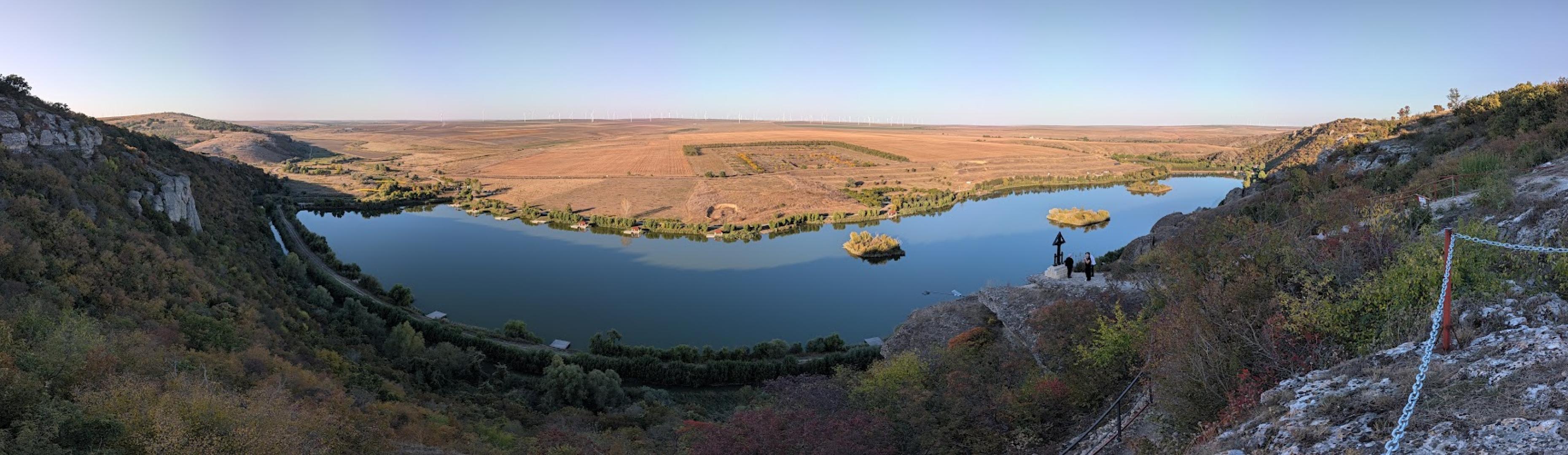
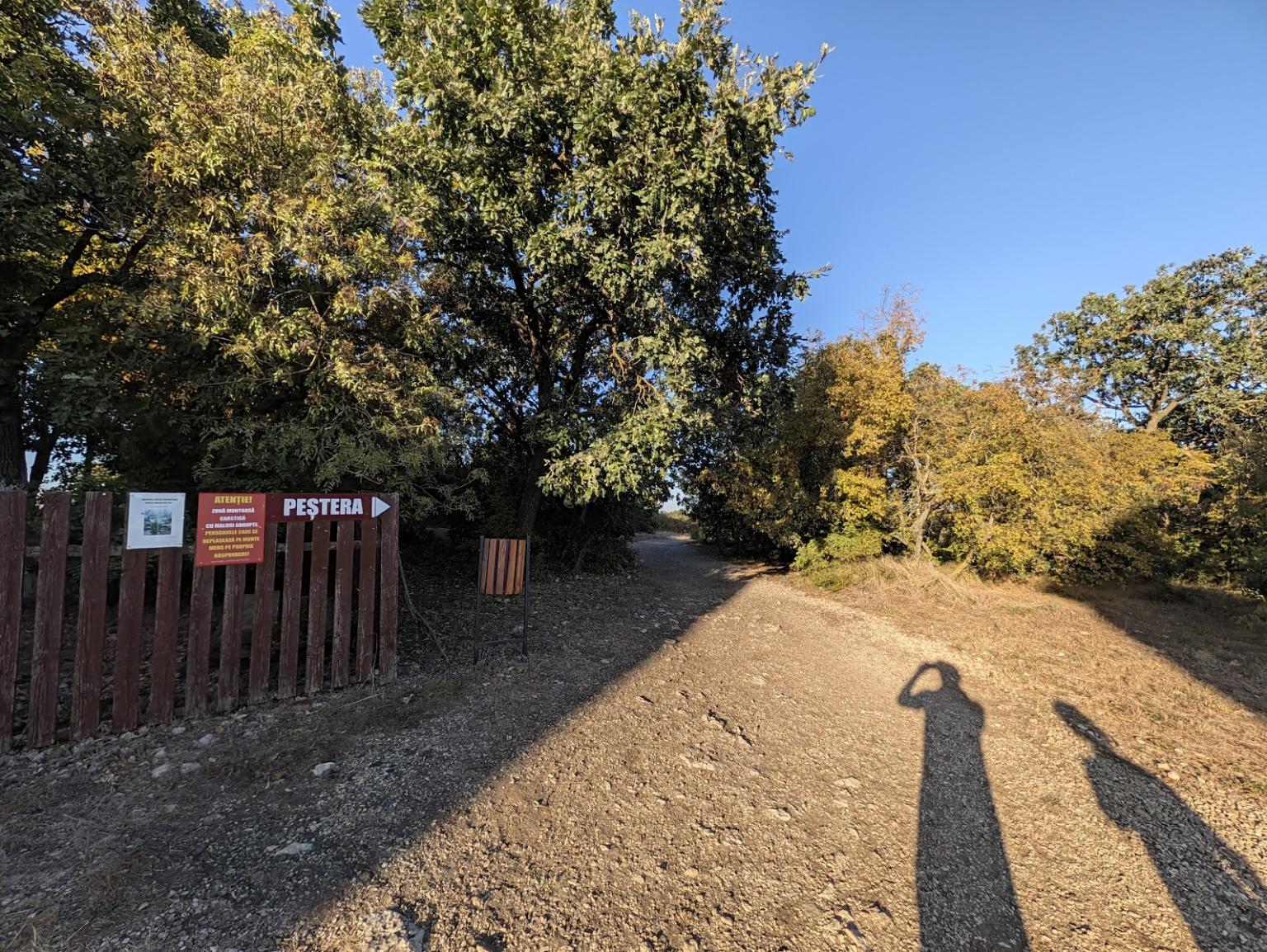
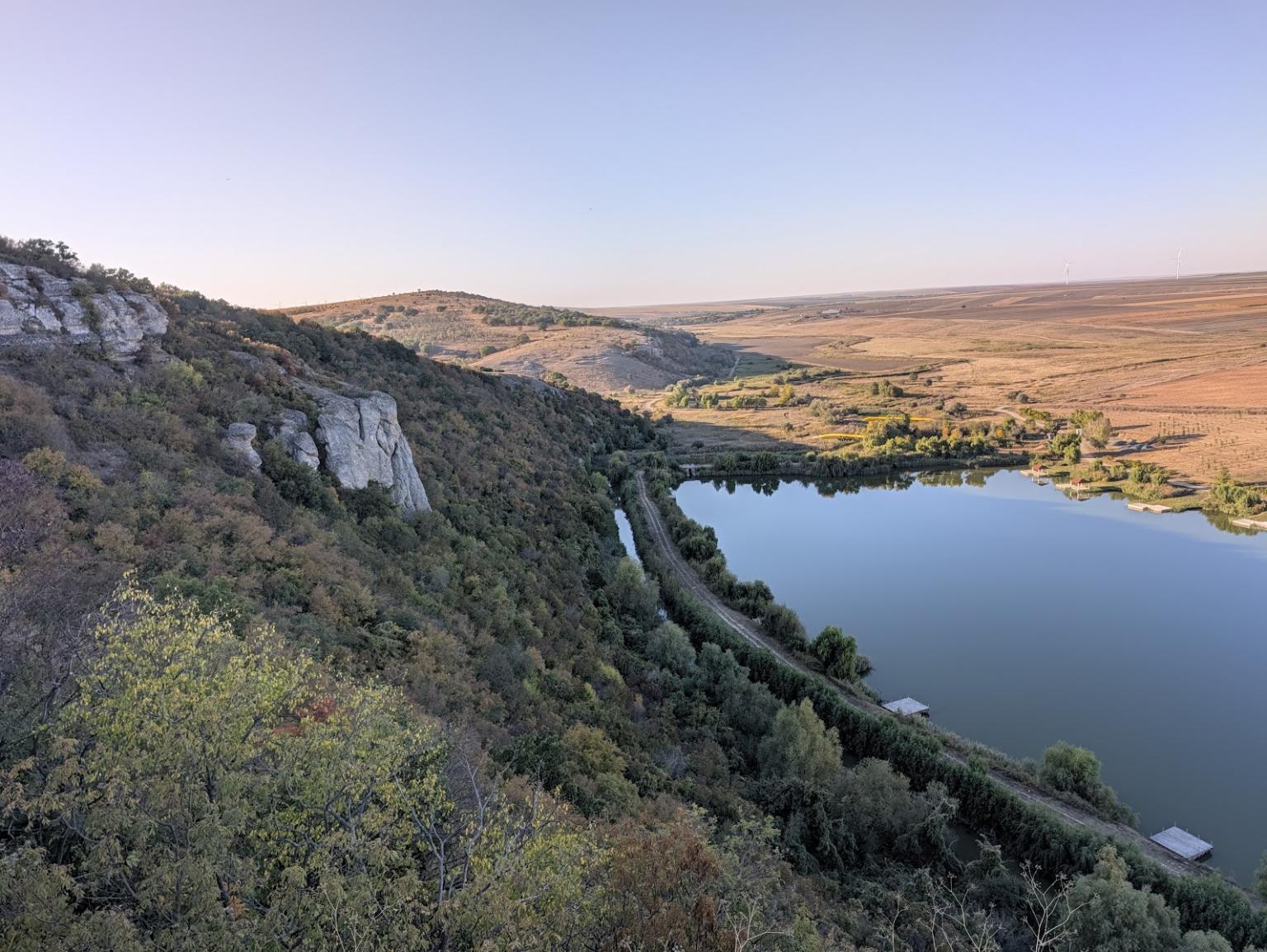
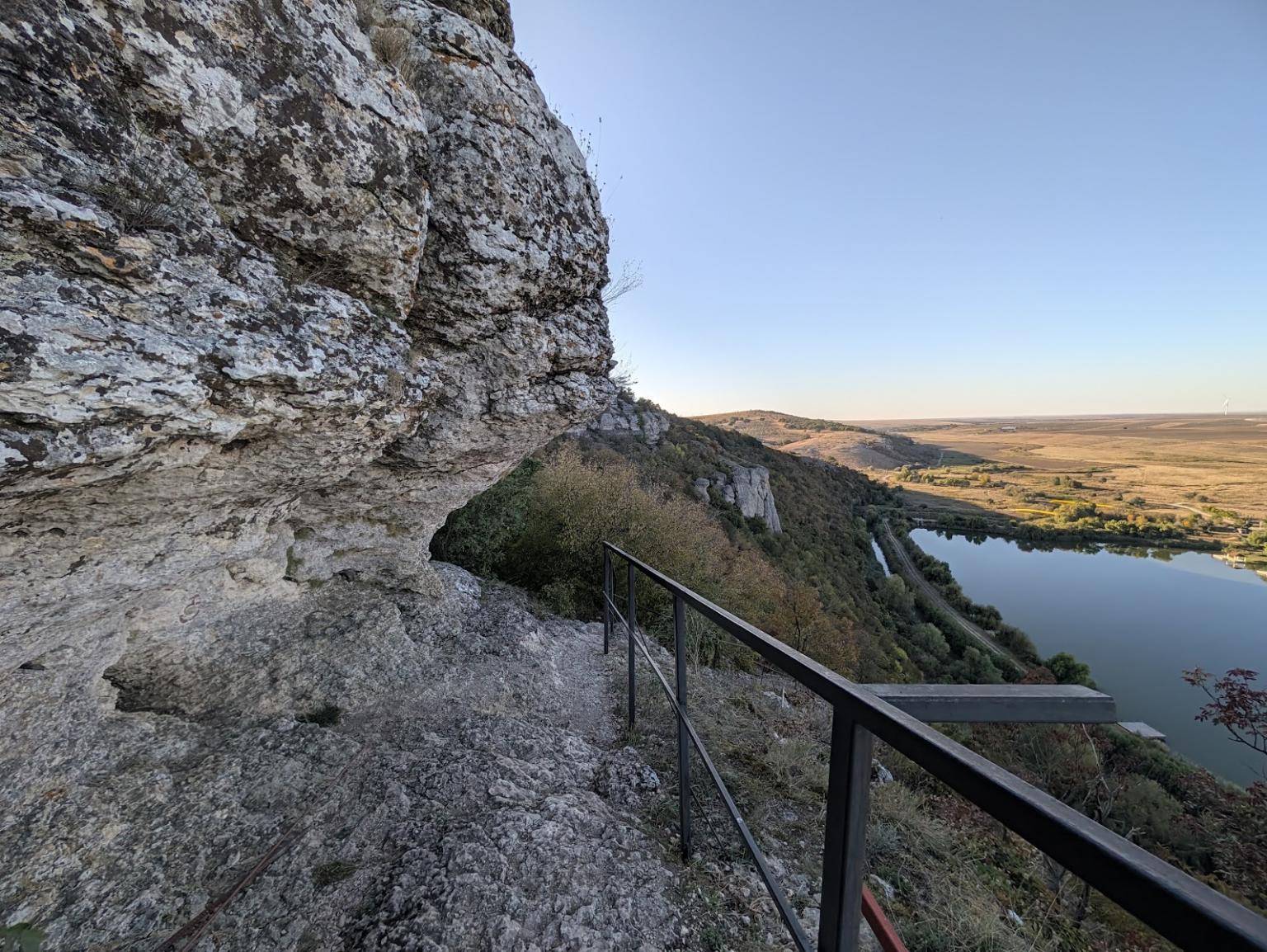
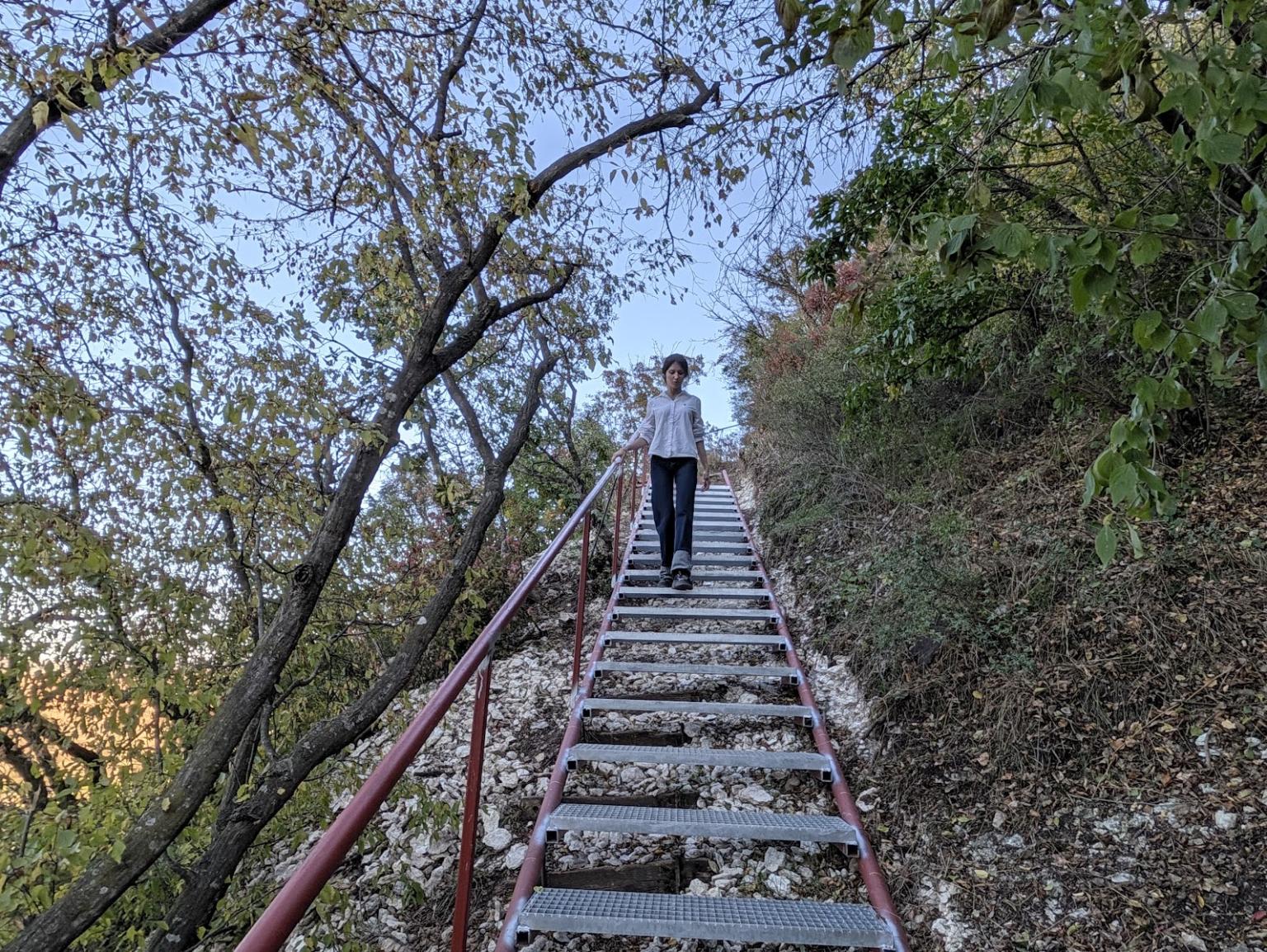
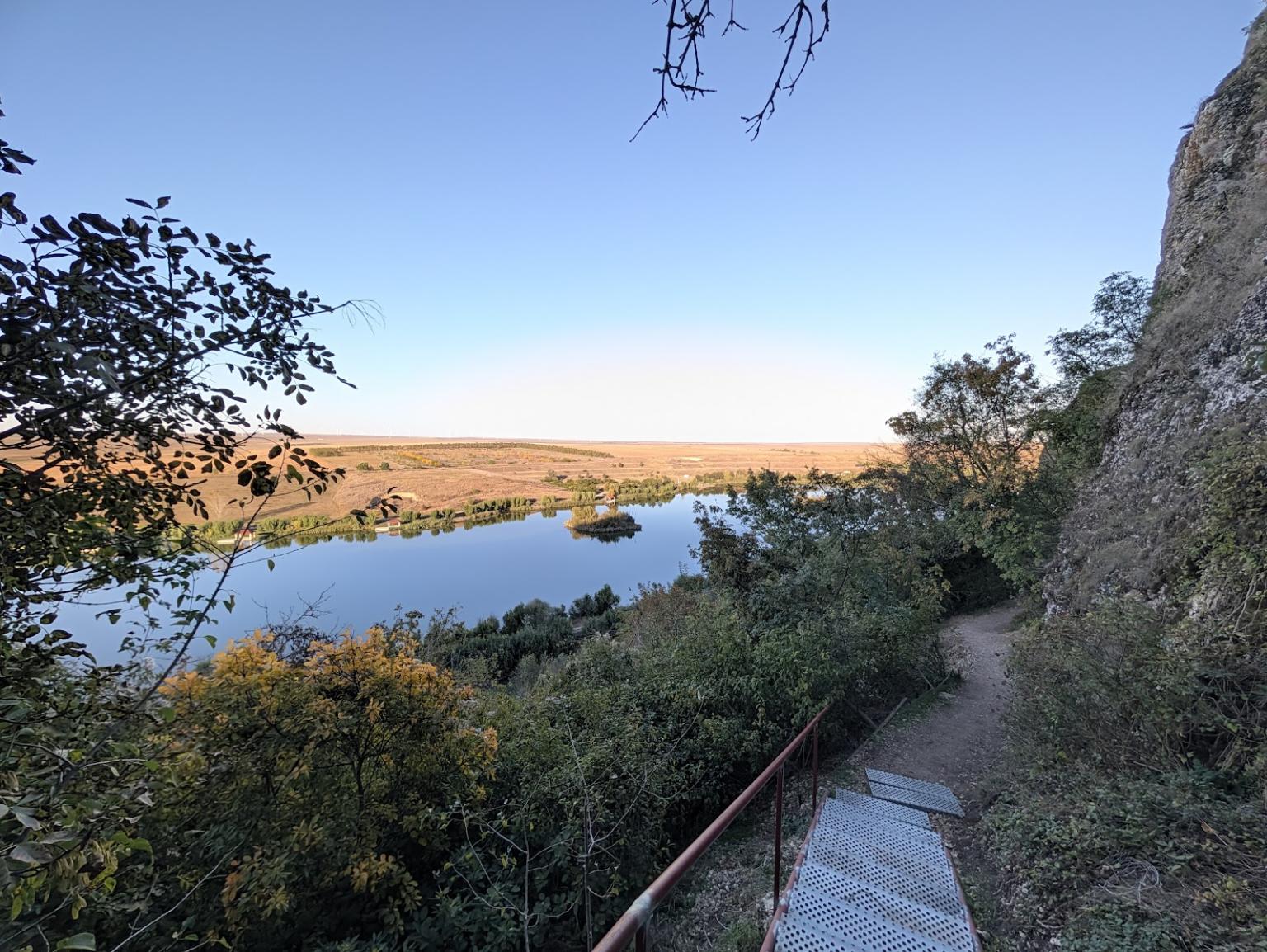
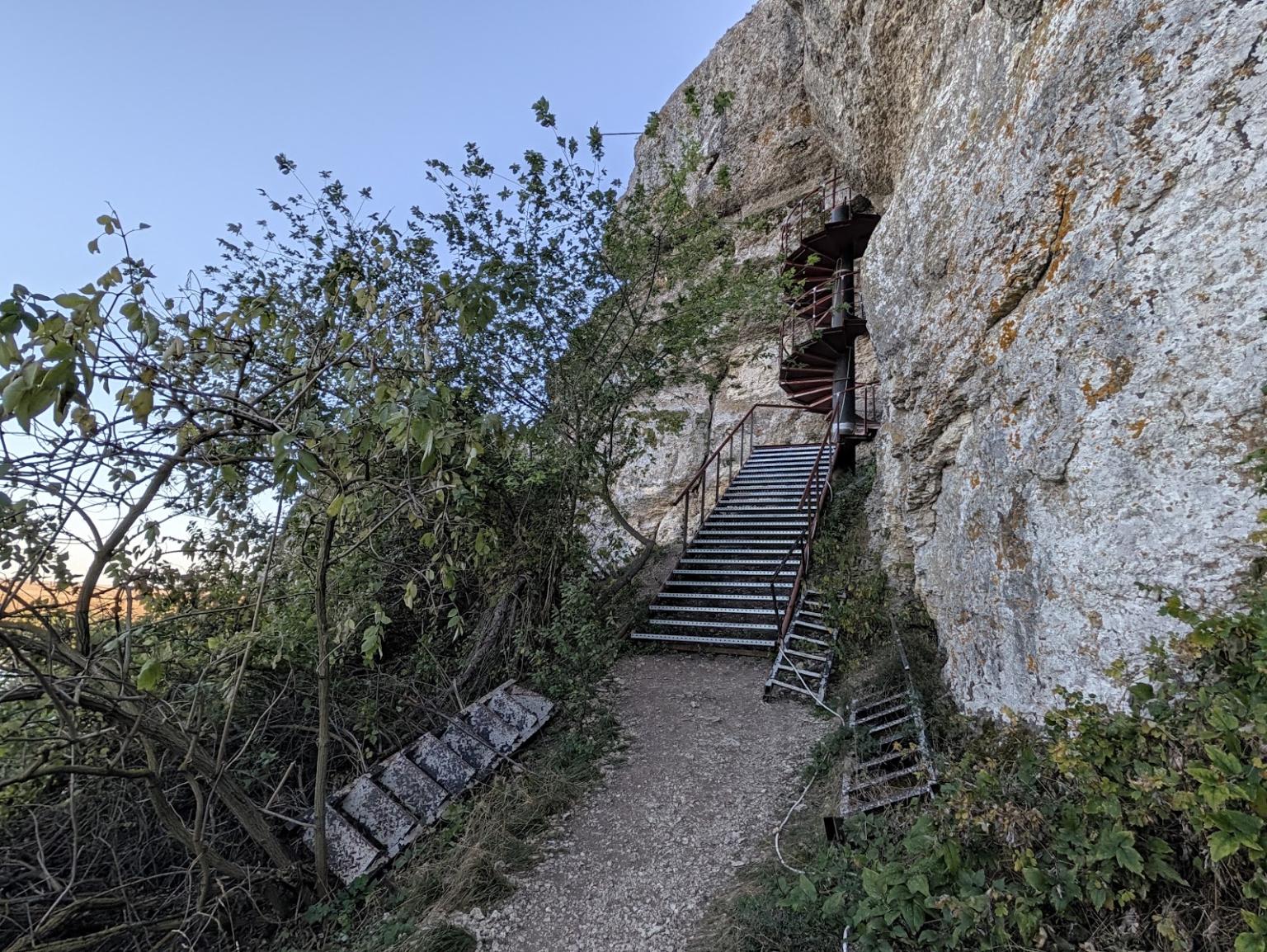
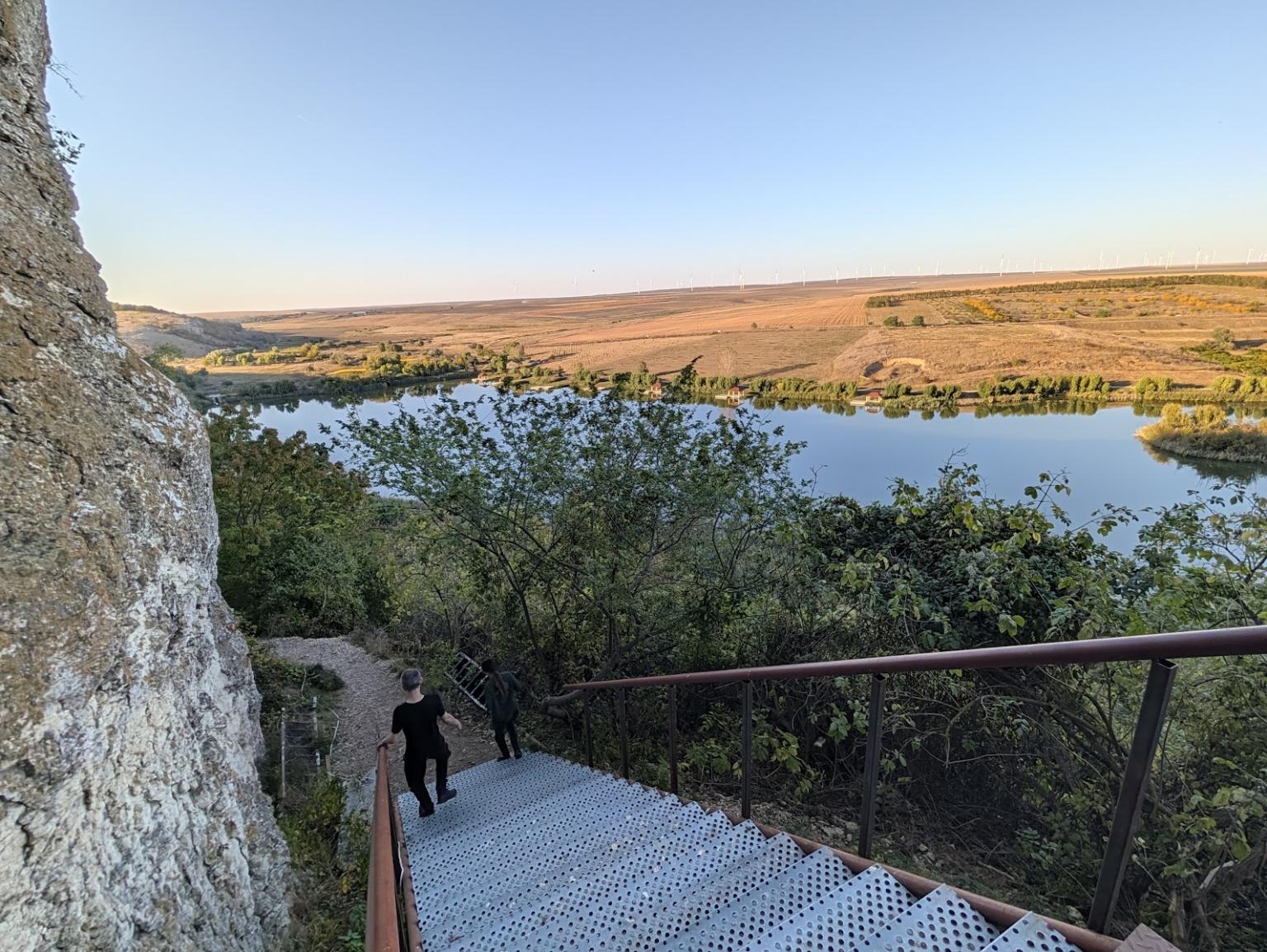
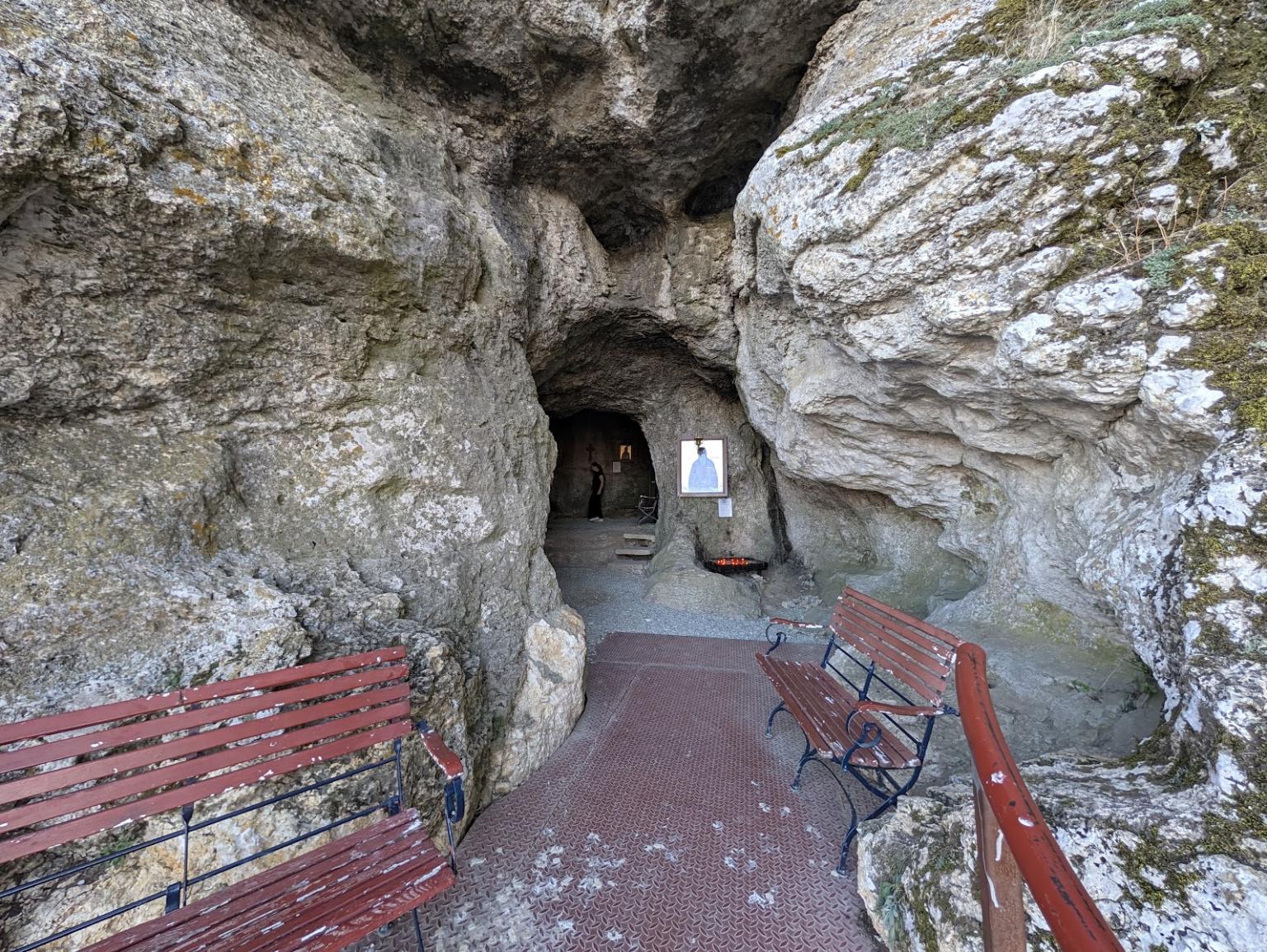
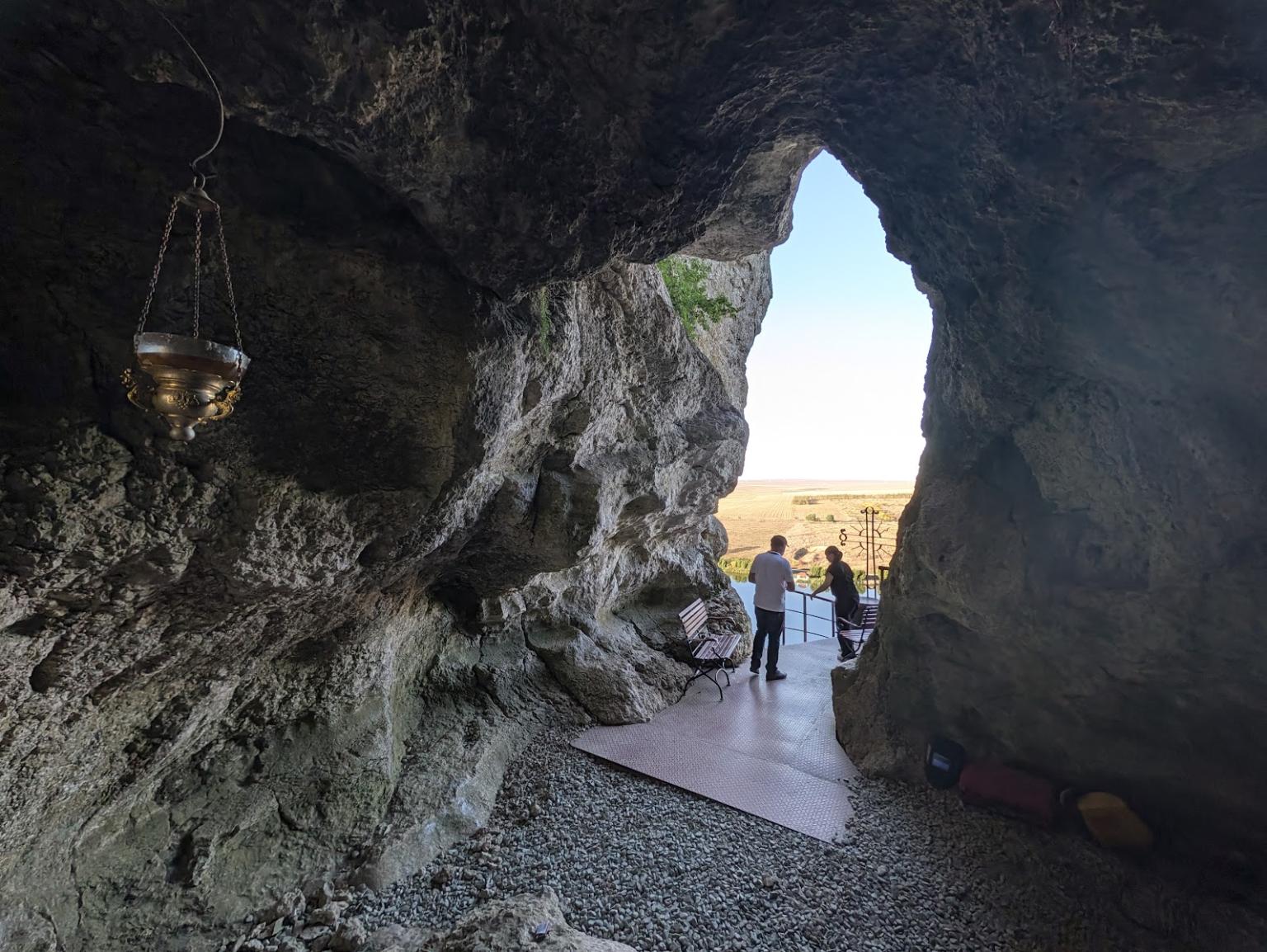
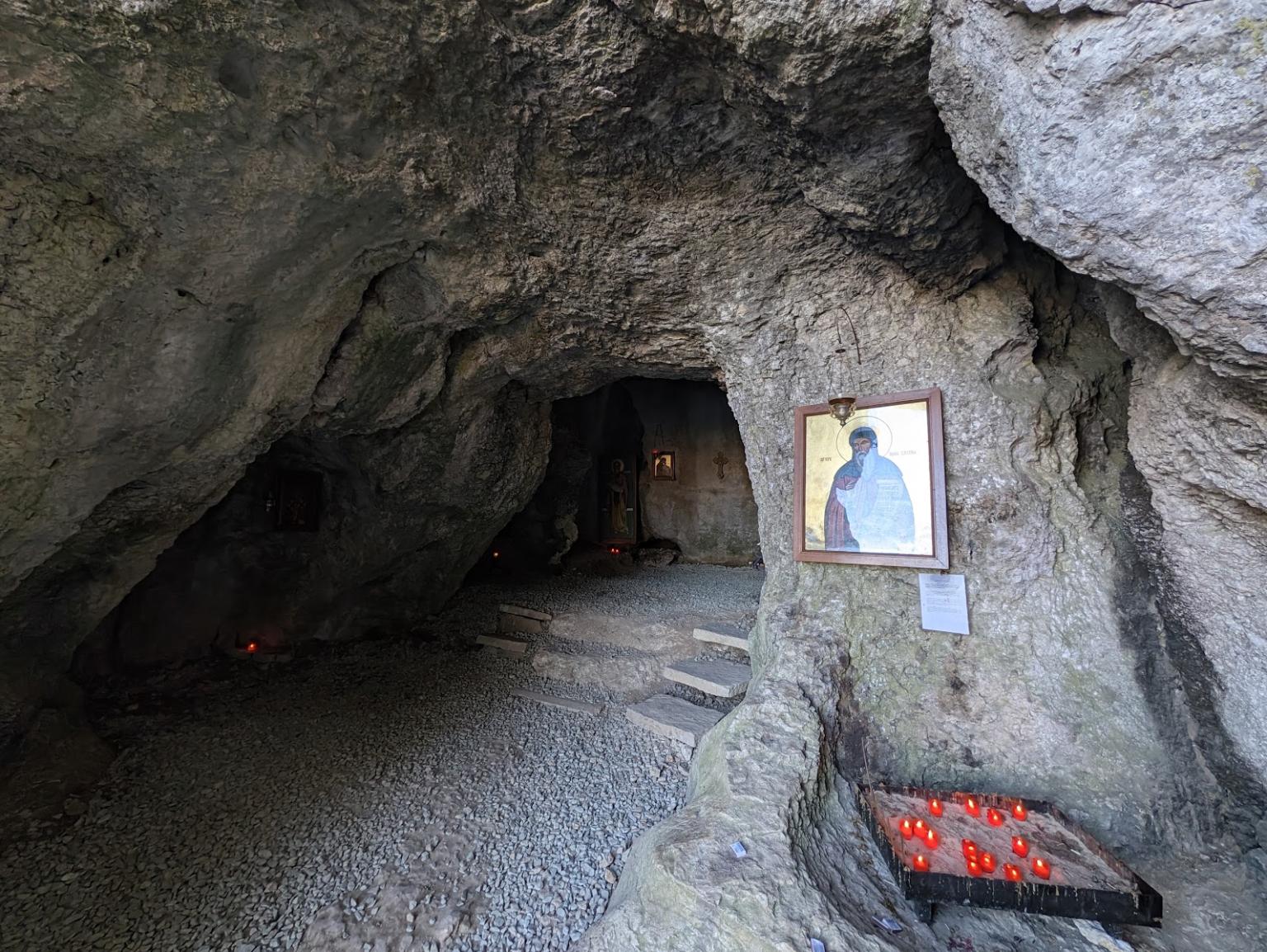
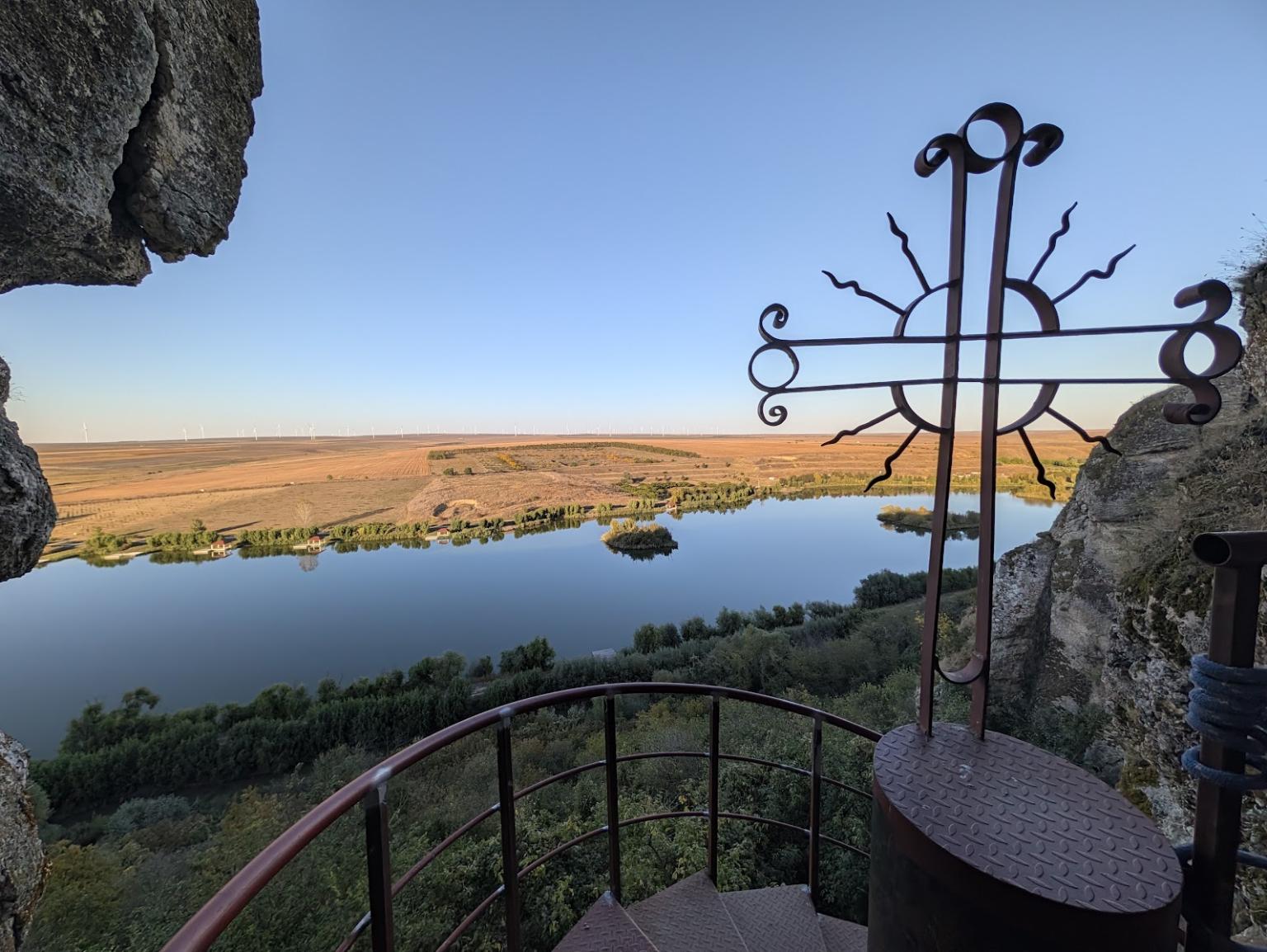
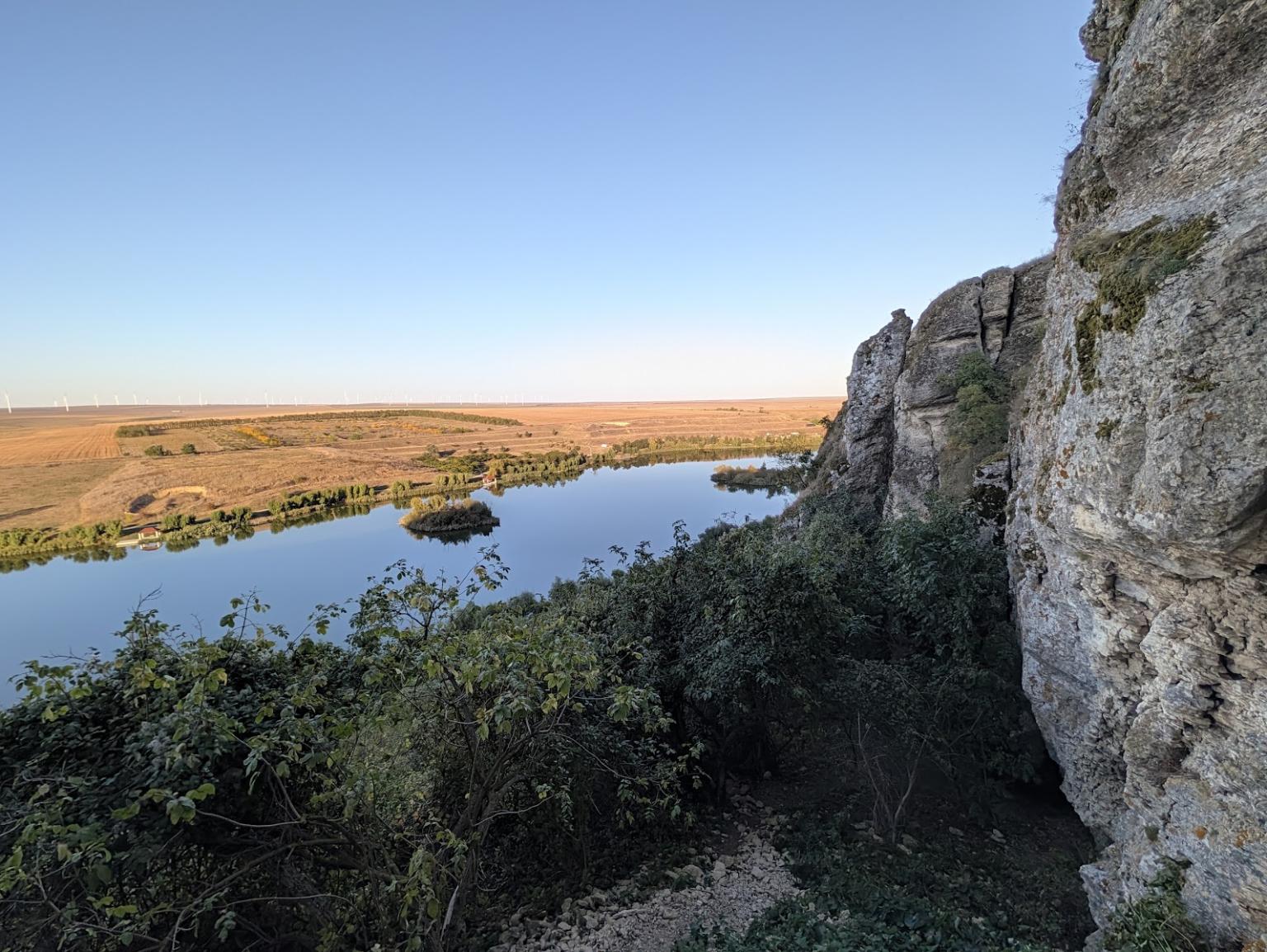
Hidden from view, among the karst formations of the Casian Hill, the cave opens into a rocky wall, above the Casimcea Valley. A narrow path, with steps carved into limestone, recently built, leads to the mouth of the cave. In front of the vaulted entrance, you can reach it by a metal staircase. The cave is spacious, elongated and with side niches. The dry climate means that the cave lacks spectacular karst forms, but also the usual humidity. The branch on the left of the cave ascends some steps dug into the rock and opens between a small cave where a person can take shelter and which has remained in the memory of the places with the name of the Hermit's Cell. The branch on the right is very narrow, has a length of 37 meters and ends with an impenetrable well. The Casian Cave was, since ancient times, a place where people took refuge from dangers. For Christians it also meant a place of refuge in times of persecution.
After archaeological research in 1984-1985, several incised letters, a few crosses and monogrammatic signs were discovered on the wall to the right of the entrance (the monogram of Christ was also found in the cave). Separately, another small cross was incised above a niche arranged for omens, in the wall to the left of the cave entrance. Adding to these Christian signs the steps carved into the limestone that lead to the higher area at the bottom of the cave, one can see that the cave, thus arranged, resembled a liturgical space. In the cave and on the slope in front of the cave, many ceramic fragments from the late Roman period (4th century, around the time Saint John Cassian was born) were discovered. It is possible, according to archaeologists, that the cave constituted a refuge for a Christian community since the period of persecution during the time of the Roman emperor Diocletian (early 4th century), which, as we know, also manifested itself violently in the territory of the Roman province of Scythia Minor (today's Dobrogea), giving rise to a large number of martyrs, some of whom are recorded in the synaxare.
In any case, the abundance of material from the 4th century indicates the presence in the cave of small groups of Christians, refugees from persecution by the authorities. Some Christians may have even suffered martyrdom nearby. This fact gave the place a special spiritual charge for descendants, especially for those who wanted a hermit life. The continuity of the use of the cave, from the 4th century to the 11th century, is explained by the tradition that was passed down from generation to generation from the first monastic communities that found shelter here.
In 2003, the ancient monastic settlement was brought back to life on the Casien Hill by the abbess Justin Petre, with the blessing of His Eminence Theodosius, Archbishop of Tomis.
THE WRITTEN STONES (PIETRELE SCRISE)
In the vicinity of the Casian Cave, at the foot of the hill, on the south side, surrounded by rich vegetation, there are two inscriptions carved into the rock, the place being known to the locals as the Written Stones. In his 1912 study, Vasile Pårvan tells us how, crossing the Casimcea valley, at a bend in the road, we are greeted by an immense, fairly smooth rock, and on the rock we read with amazement, in fairly well-carved Greek letters, the following inscription: OROI KASIANON ΚΑΙ SPILOUHA, The inscription translates as: The Casian Borders and the Cave. The second inscription, carved on an equally regularly smoothed rock, with a gigantic bench to rest on at its bottom, is slightly different: OROI KASIANON SPILOUHON, translated as: The boundaries of the Cassians, owners (or inhabitants) of the caves. Vasile Pârvan dates the inscriptions as being from the 2nd-3rd century (between 100 and 240), when the province was under the influence of Greek culture. Most researchers consider these inscriptions to be boundary stones between a territory of the "Casians" and one of the so-called "Cave Players". It is possible that other caves in the area were also inhabited. However, according to researchers, the "cave" referred to in the first inscription is most likely the Casian Cave, the only one that preserves traces of human habitation from the 4th to the 4th century.
We should not forget the flourishing civilization and economic life that persisted in Scythia (Dobrogea) in antiquity, during the Hellenistic and then Roman periods. The Casian area was part of the so-called rural territory of the Histria fortress (founded in the 7th century BC). Recently, a third written stone was discovered.
The biography of Saint Ioan Casian
Saint John Cassian was born in the Roman province of Scythia Minor (today Dobrogea), around 360 AD, to pious parents, his birthplace being established by researchers as the village of Casian, then Vicus Cassiani or Vicus Cassii (i.e. "the village of Casian" or "the village of Casius", vicus meaning village in Latin). Born into a pious and wealthy family, the Saint received a select education, was diligent from an early age in learning, in practicing good deeds and in learning the Holy Scriptures. He had his first contact with monks as a child or adolescent, in his country. At the age of 20, a longing for his heavenly homeland ignited in his heart, and he left his homeland with his good friend, Saint Germanus, and his sister and went to the Holy Land, entering monasticism there at a monastery near Bethlehem, near the Cave of the Nativity. After a few years, learning of the improved life of the monks in Egypt, the two ancient Romanian friends left to strive in the Egyptian desert under the guidance and advice of the most spiritual hermits of that time, whose spirituality is also reflected in the Egyptian Patericon.
Here, in harsh striving, fasting, prayer, solitude, obedience, deprivation, Saints John Cassian and Germanus delved into the contemplative life. Giving himself with all his might to the craft of tranquility and engagement in active prayer and the struggle for the purification of the heart, Saint John Cassian came to know the highest stages of prayer, receiving from above the gift of "fiery prayer" and the communion of the outpouring of divine light.
After fifteen years of holy hermitic sojourn, unjust persecution came upon the monks of Egypt, so that Saints John Cassian and Germanus left Egypt and arrived in Constantinople, under the patronage of Saint John Chrysostom, the Patriarch of Constantinople. Saint John Chrysostom ordained Saint John Cassian a deacon, and Saint Germanus, as an elder, ordained him a priest.
After the second exile of Saint John Chrysostom, Saints John Cassian and Germanus were sent to Rome to carry the message of sorrow and grief from the Church of Constantinople. It was here that Saint John Cassian would later be ordained a priest. Around the year 415, Saint John Cassian arrived in Marseille, a port on the Mediterranean Sea in Gaul, where the Saint anchored for the rest of his life the ship of his soul full of spiritual blessings, which he poured out through writing, monastic orders, and the founding of monasteries on the entire Church. In Marseille, he founded two monasteries, one for monks and one for nuns. The monastery of monks, Saint Victor, built on a high rock above the harbor, in front of the city, still exists today, although Catholic. The head of Saint John Cassian is preserved there. He fell asleep in the Lord around the year 431, in Marseille.
His work includes three works: On the Establishment of Public Monasteries and on the Healing of the Eight Deadly Sins, Spiritual Conversations with the Fathers of the Desert of Egypt, in 24 books, and On the Incarnation of the Lord, against Nestorius, a treatise on apologetic dogmatics against the Nestorian heresy that had emerged at that time.
Saint John Cassian, through his writings and the advice of monks, has the great merit of being the first Latin-language writer to give monastic orders, being rightly considered the founder of monasticism in the West and of Latin-language monastic theology, influencing not only the formation of monasticism in the West, but also the Christianization of the peoples there through the disciples and scholars who absorbed his teachings. He was also translated into Greek and read with the same insatiability by the monks of Räsärit. He is the only Latin writer who was included in the great collection of patristic teachings called the Egyptian Patericon, but also in F , foundational monuments of Christian spirituality and bedside manuals of Orthodox ascetics throughout history. In Gaul he was considered a saint immediately after his death, and later he was included in Latin and Greek synaxarations with the name Cassian the Roman.
A bridge between East and West, a teacher of monks and a doctor of souls, a spiritual writer of universal renown, Saint John Cassian remains forever Abba, the spiritual Father, a model of a sacrificial, humble and confessing monk, who reached the heights of holiness through lifelong asceticism and was crowned with the charism of guiding souls from Christ, to whom he gave himself completely since his youth.
Source: text taken from the description panel outside the church
//
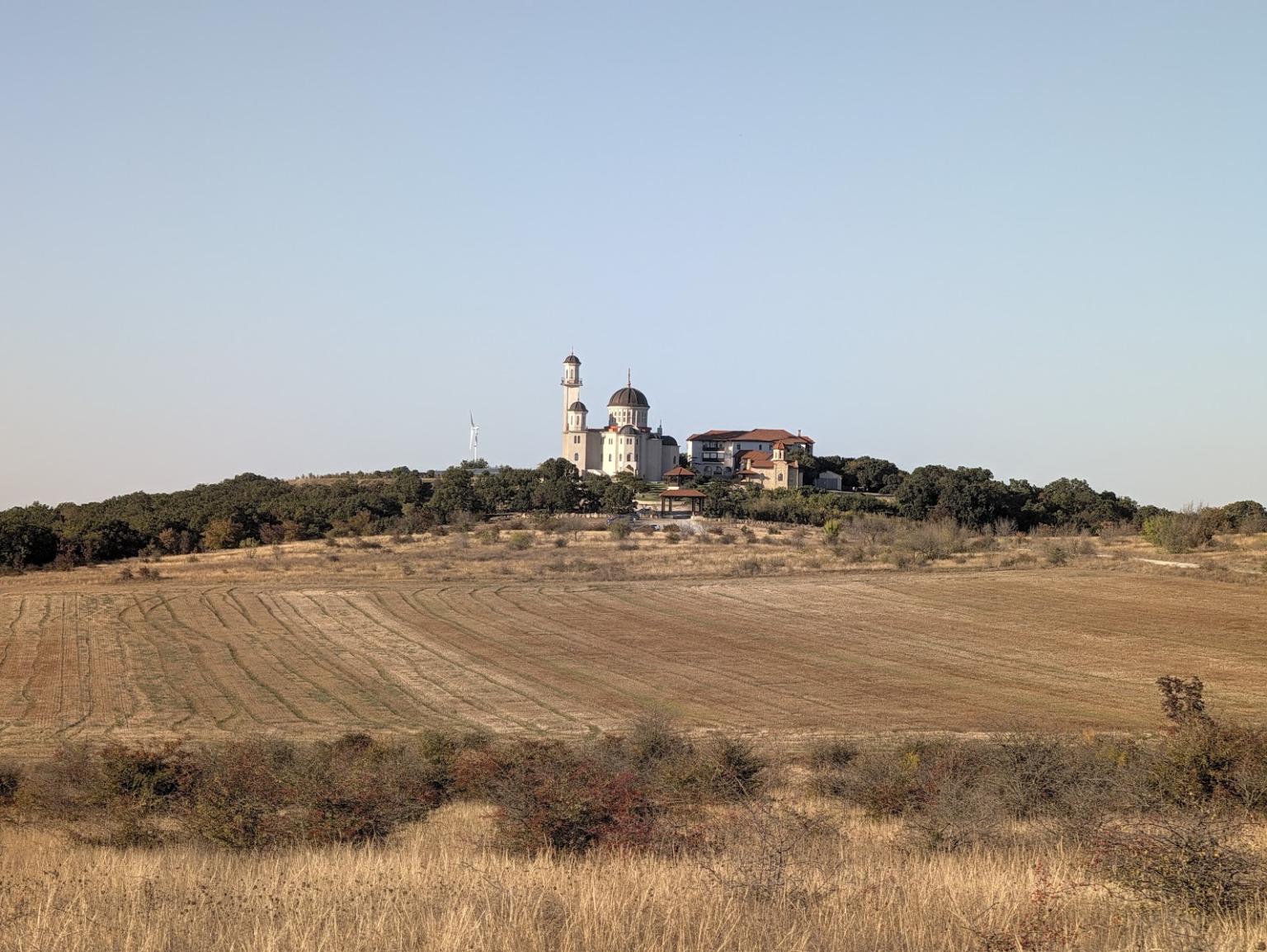
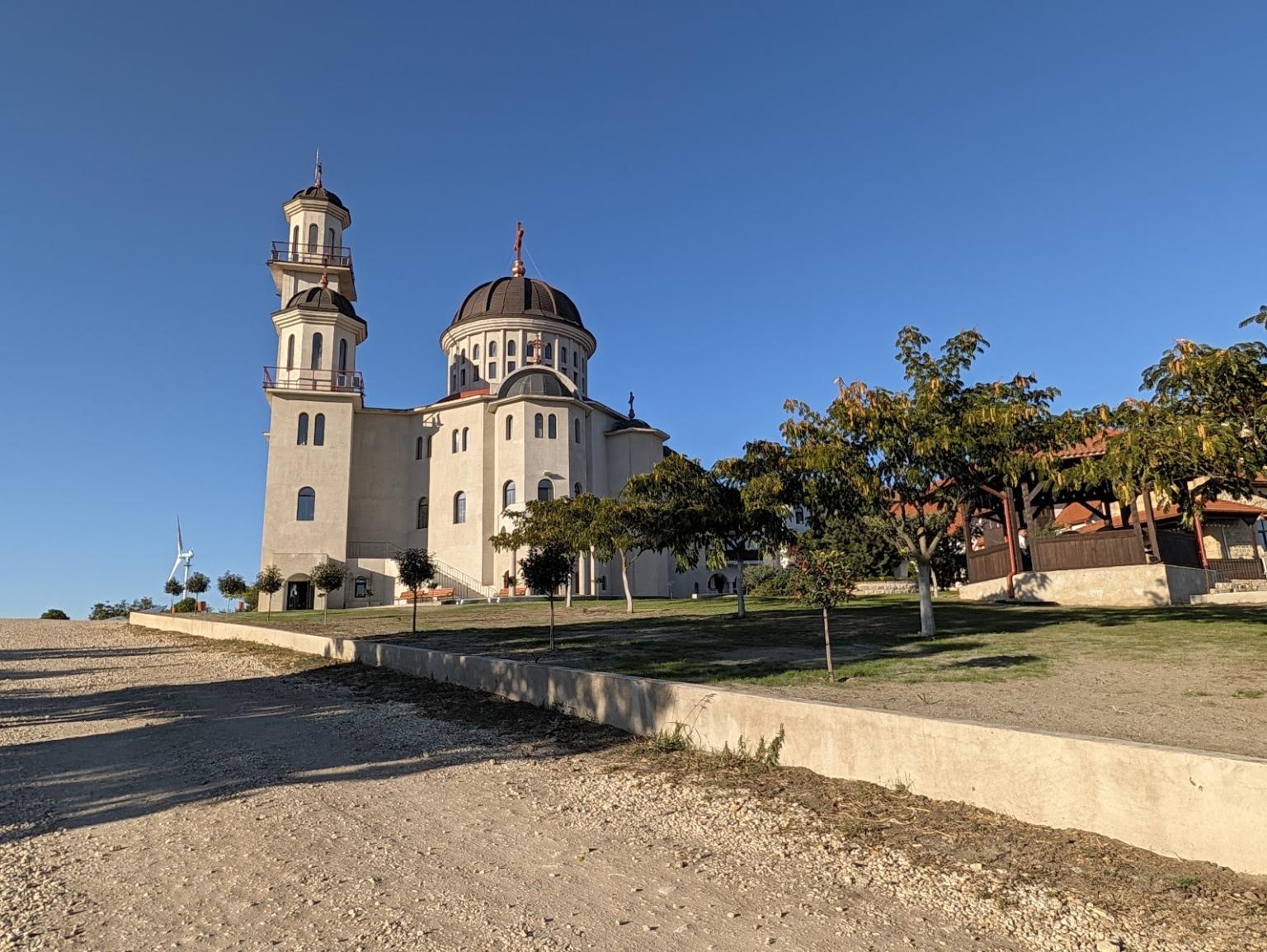
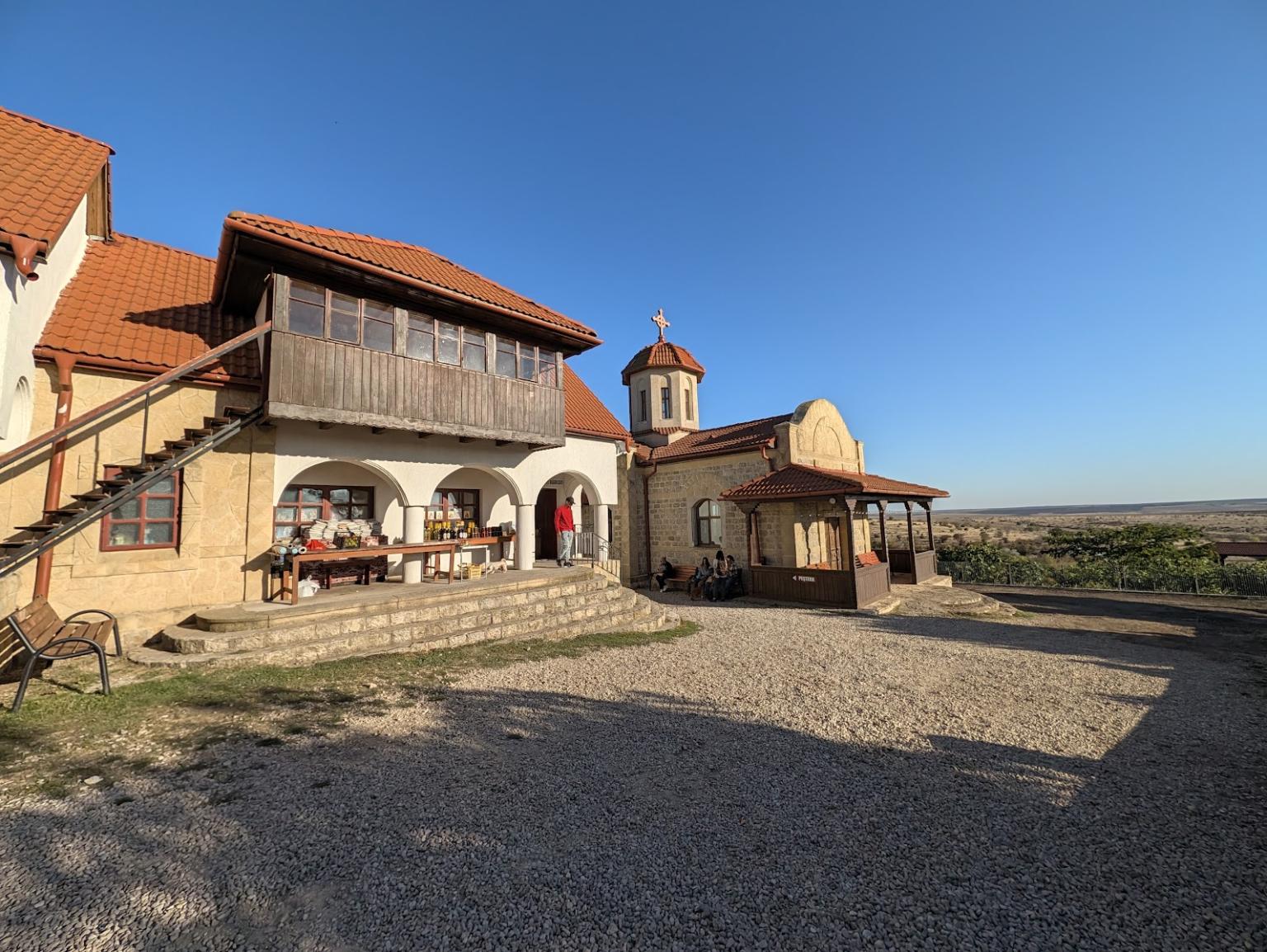
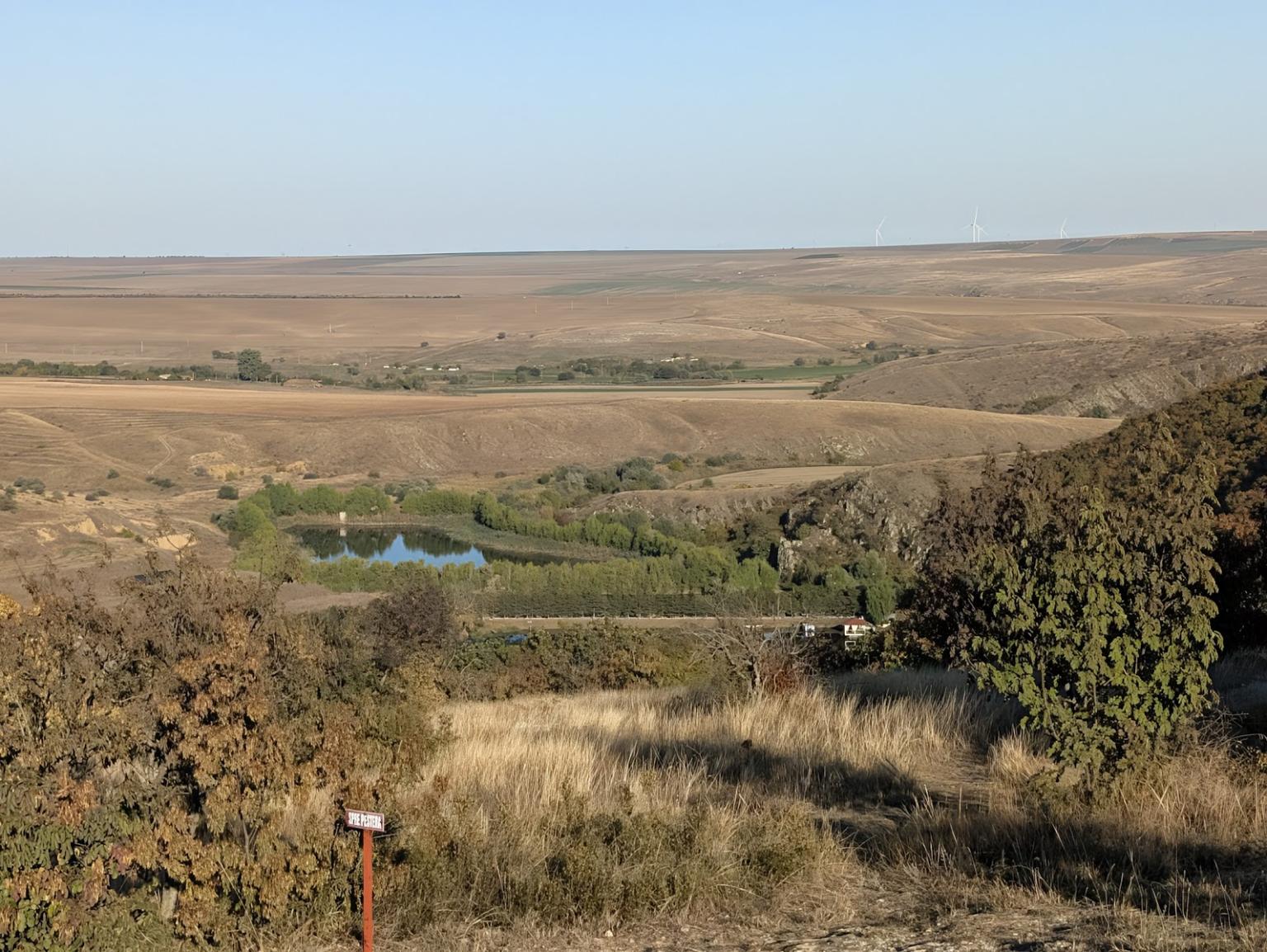
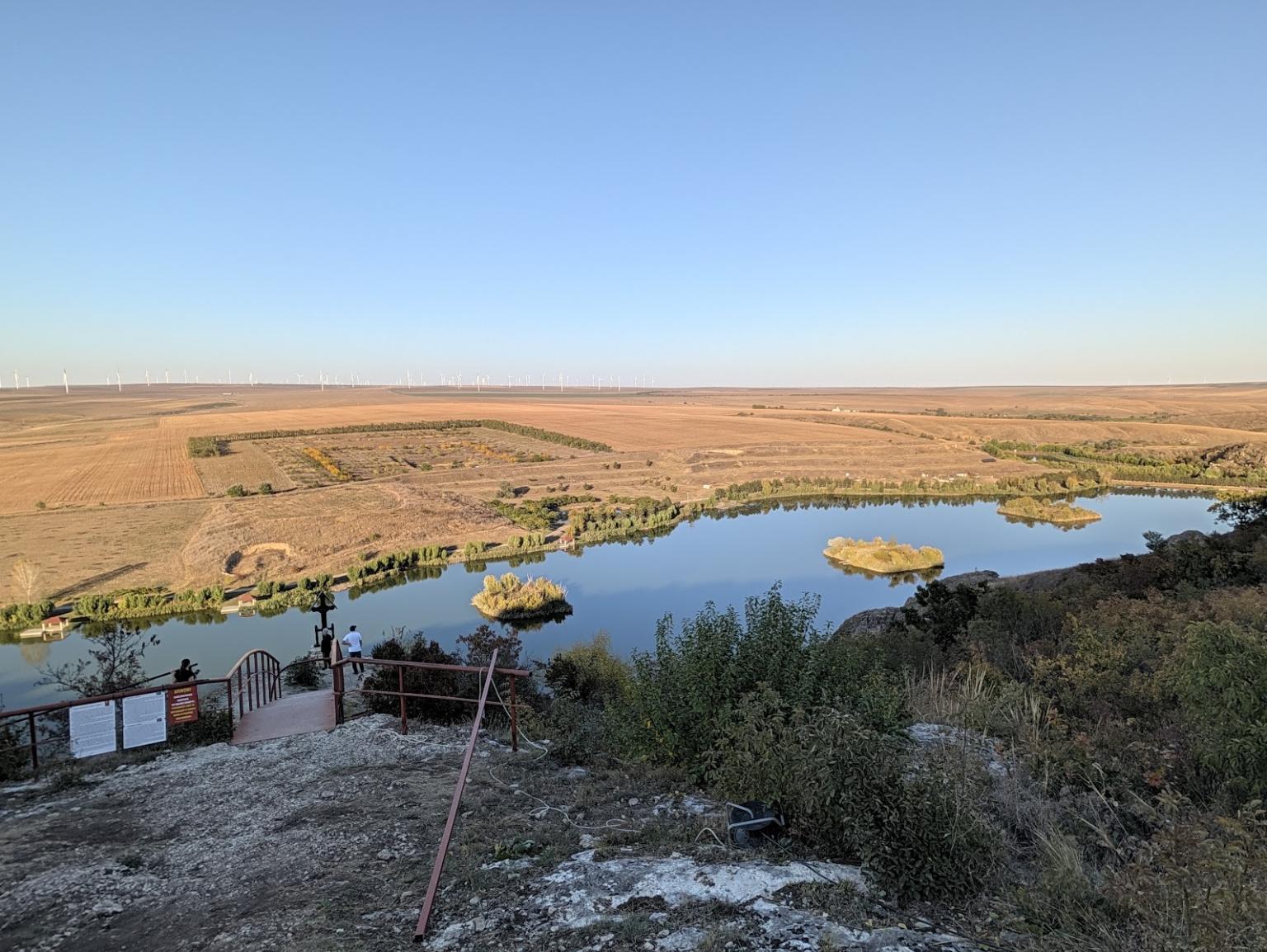
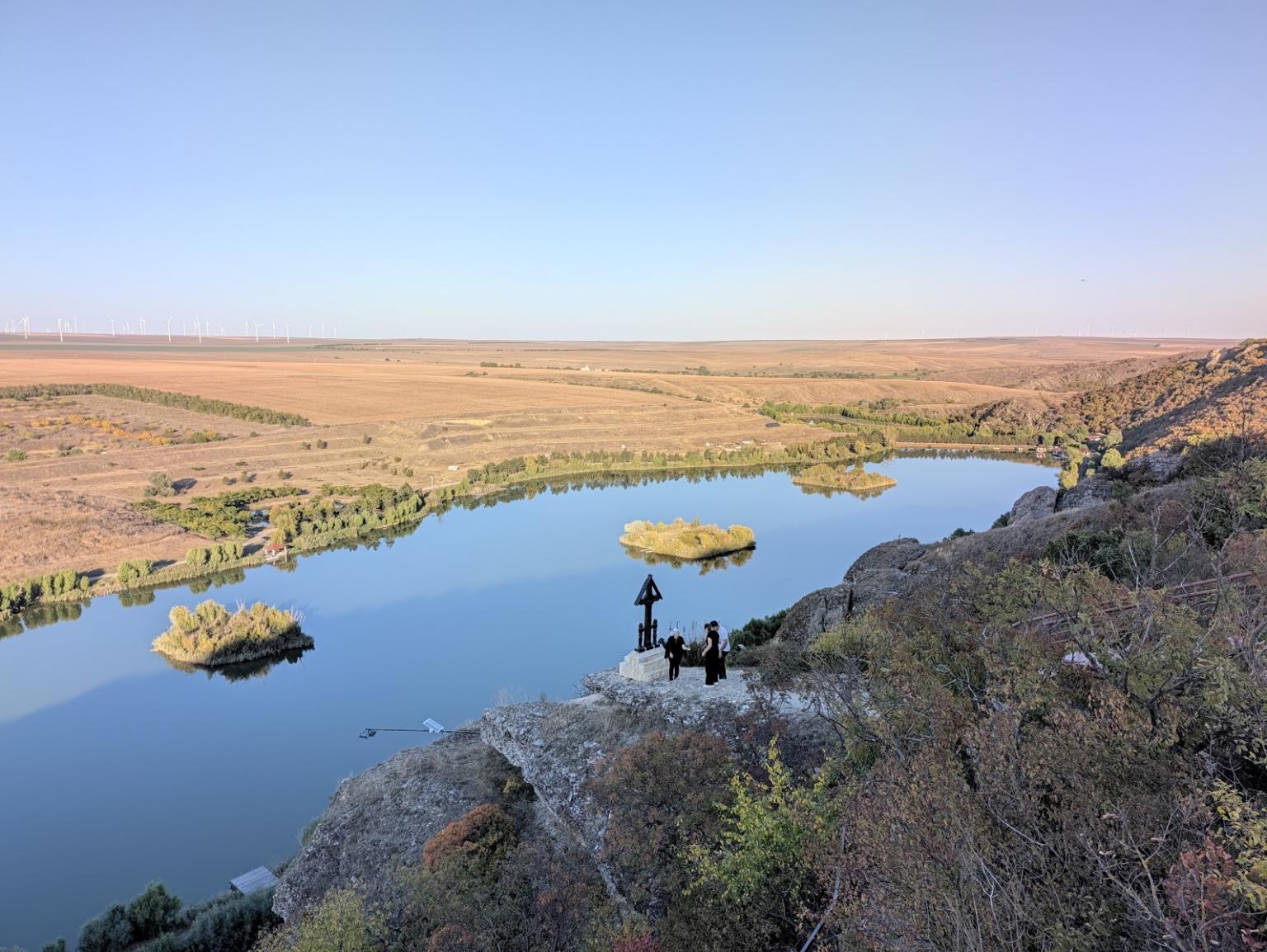
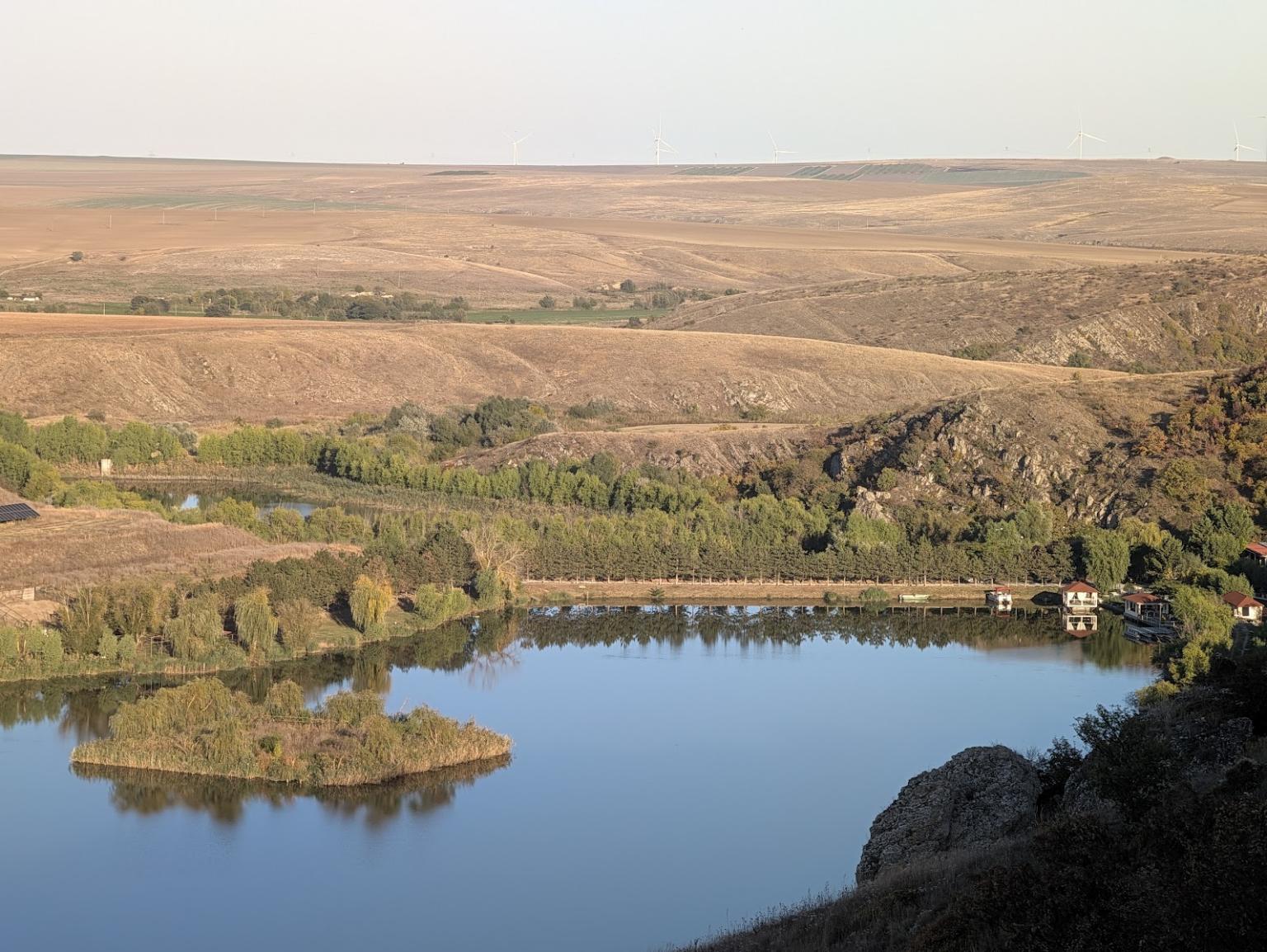
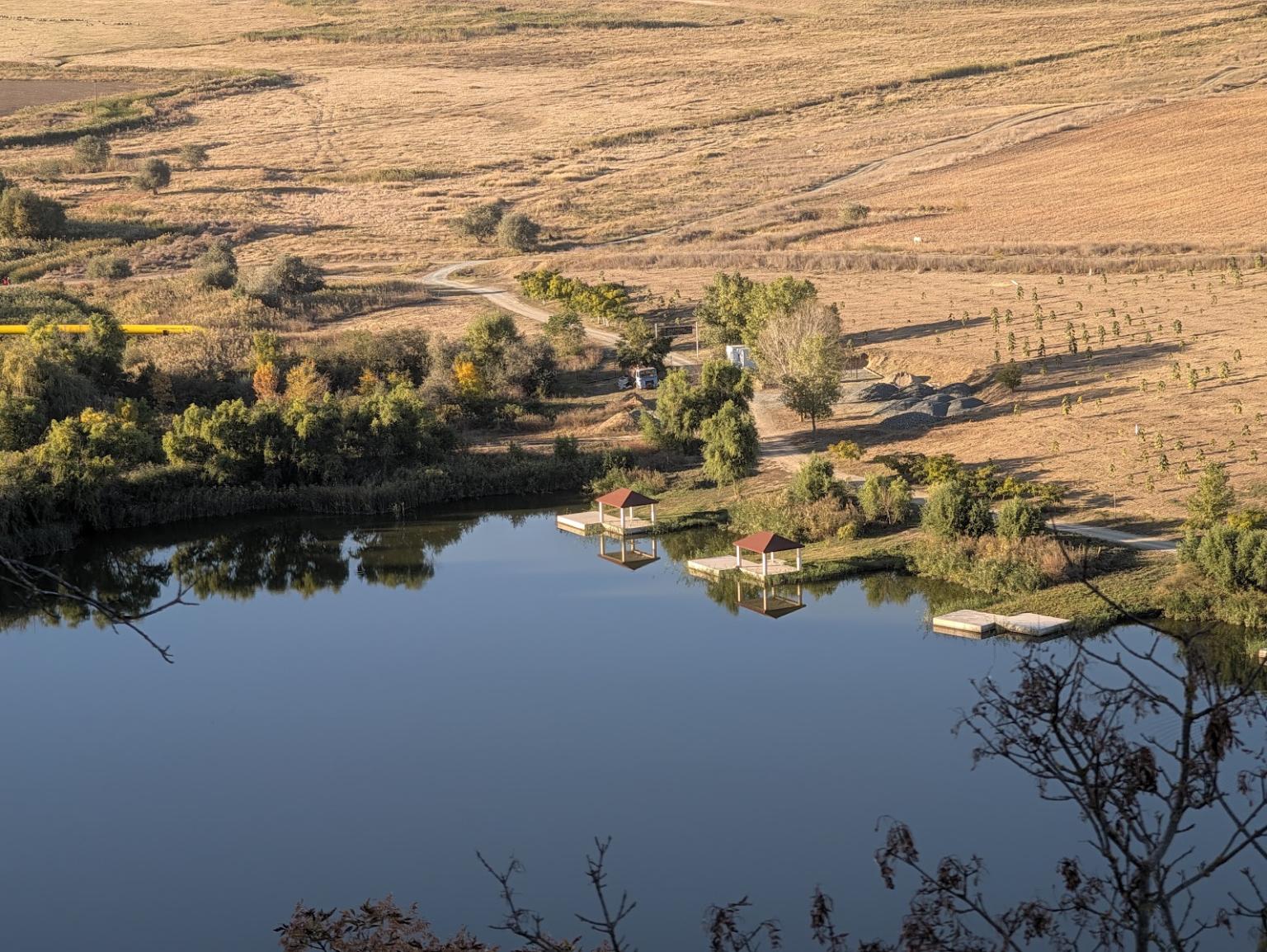
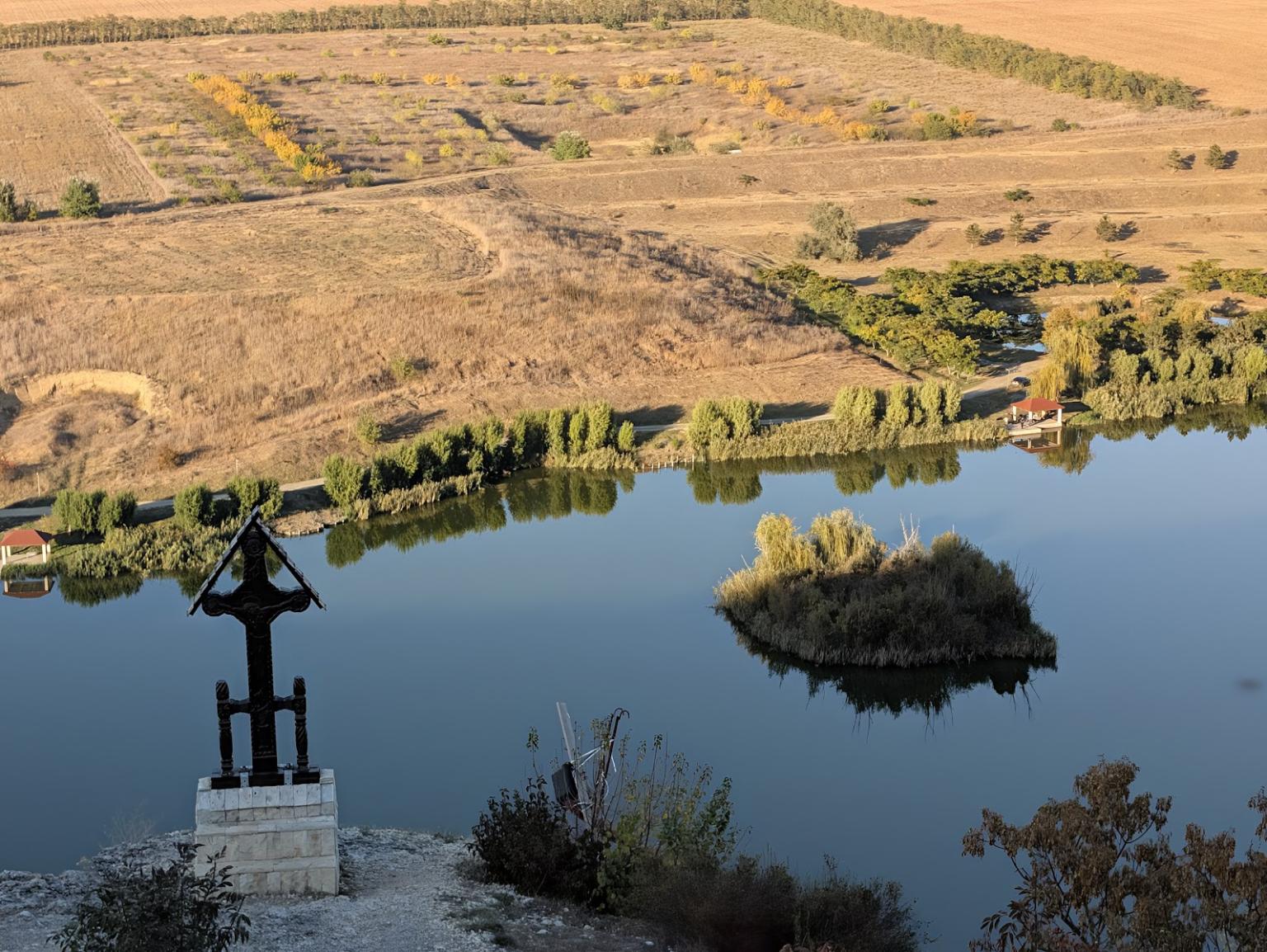
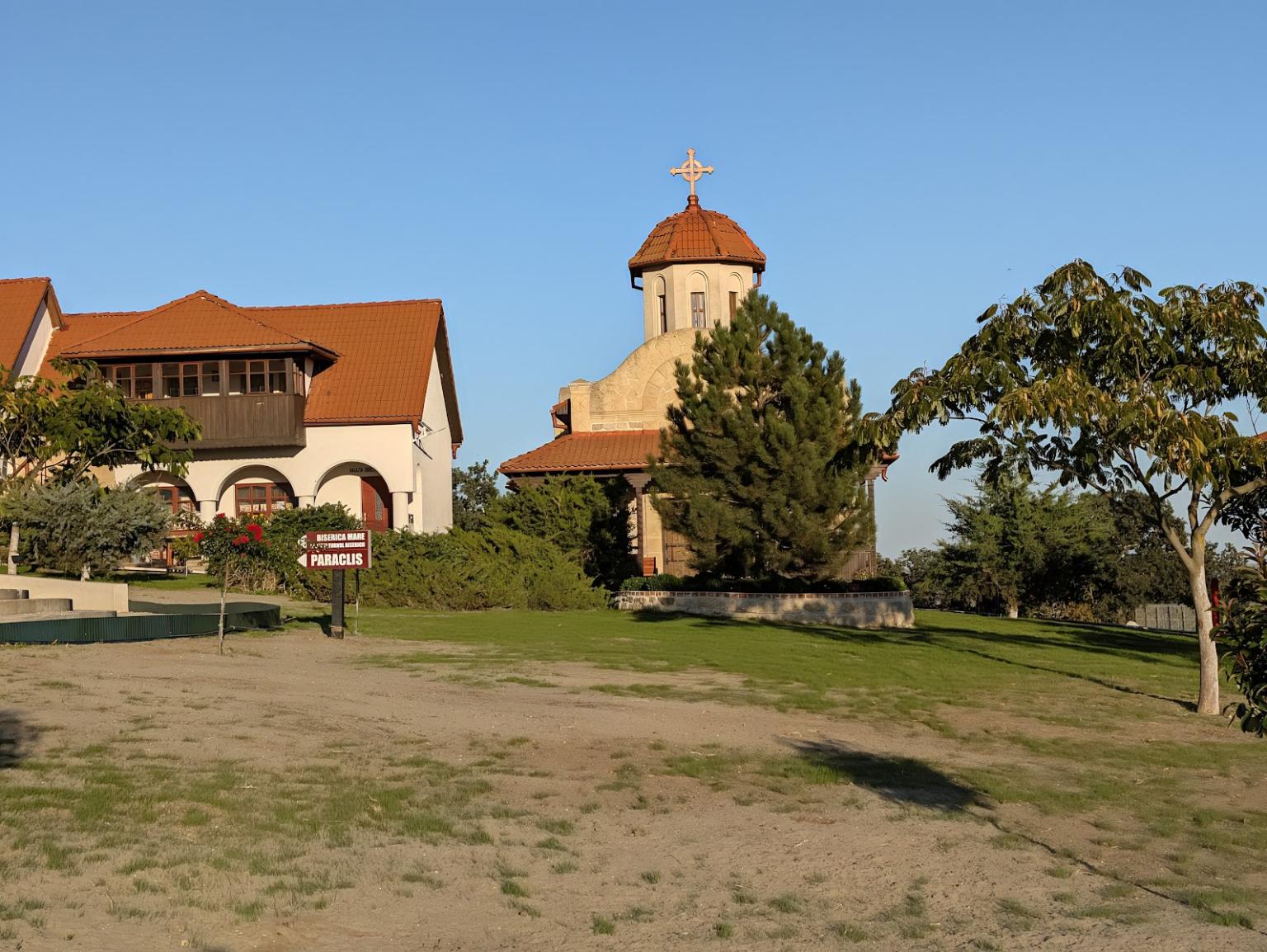
The monastery of Saint John Cassian, located on the Cassian Hill, in the vicinity of the Cassian Cave and the village of Cassian, was built in honor of Saint John Cassian the Daco-Roman (360-435). The monastic settlement is located in a picturesque landscape, surrounded by hills with meadows and shrubs, preserving an arid steppe landscape, with the Casimcea River and two reservoirs at its foot.
The monastery is located between the Natural Reserves Gura Dobrogei and Cheile Dobrogei. The name of the village Cassian (Vicus Cassiani) can come either from the Latin word "cassus" (empty, deserted), or from the Latin name Cassius, of a Roman colonist. Villages from the Roman period received the name of the most important settler, thus the name of the village Cassian evolved.
In the vicinity of the village of Cassian, on the left bank of the Casimcea valley, the ruins of a Roman village (Vicus Cassiani) were found. During the Ottoman period, the village of Cassian was called Şeremet, which means "worthy man", possibly referring to Saint John Cassian.
At the foot of the Casian Hill, there are two Greek inscriptions dug into the rock, called Pietrele Scrise, researched in 1912 by Vasile Pârvan. The inscriptions, dated from the II-III centuries, demarcated the territory of the "Casians", inhabitants of a village called Casian.
Recent discoveries confirm the existence of a Vicus Cassianus. At Tariverde, 10 km from the Casian Monastery, a stone was found with the inscription "KASIANA SPILOUXA" (Casian Cave), indicating the importance of the cave for the inhabitants of the area, possibly used as a church.
The Casian Cave, located on the northern slope of the Cassian Hill, was inhabited in the late Roman period. Archaeological discoveries show the presence of early Christians who took refuge here. The cave was a place of pilgrimage and has incised signs and ceramic fragments from the c. IV.
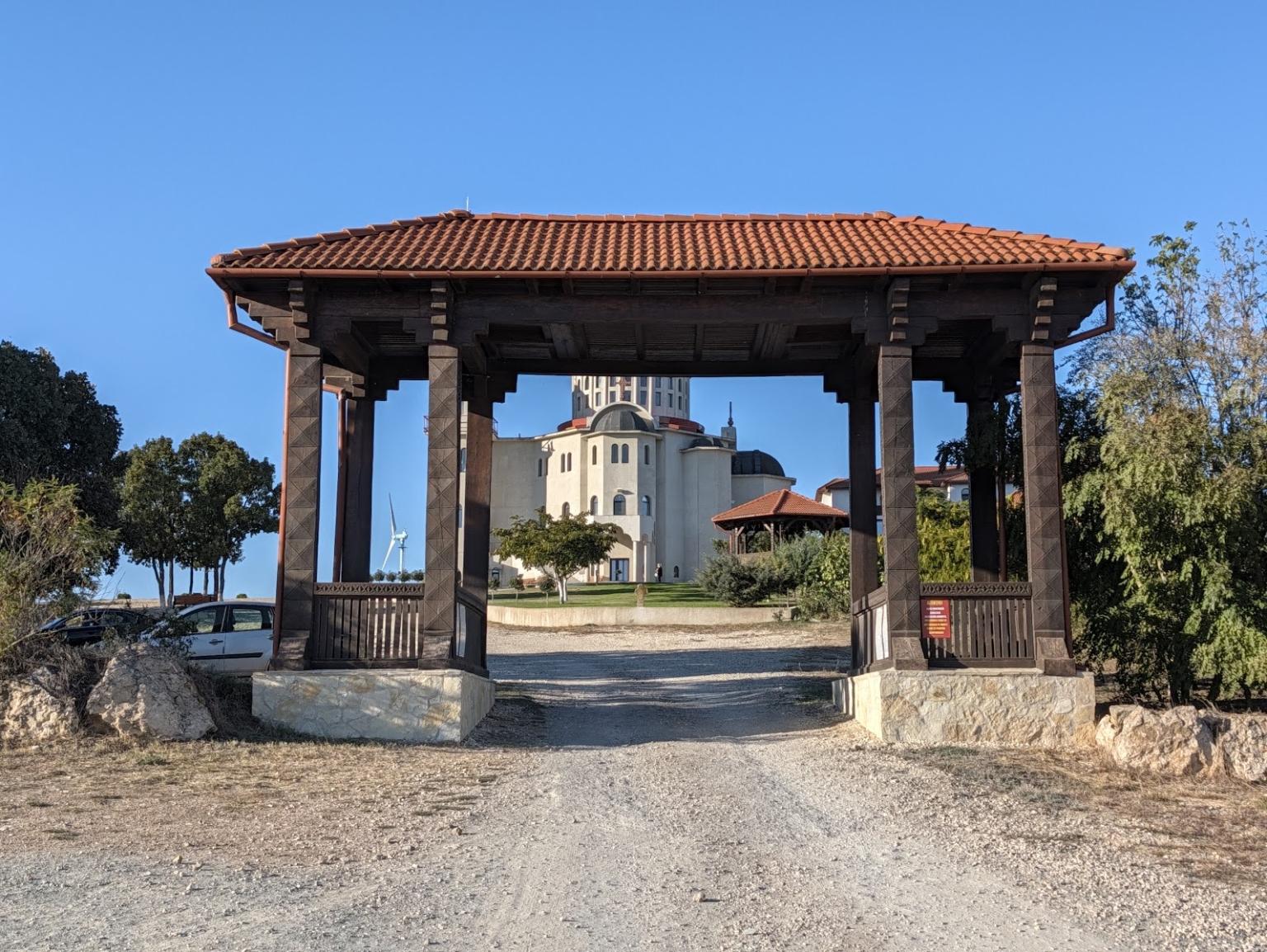
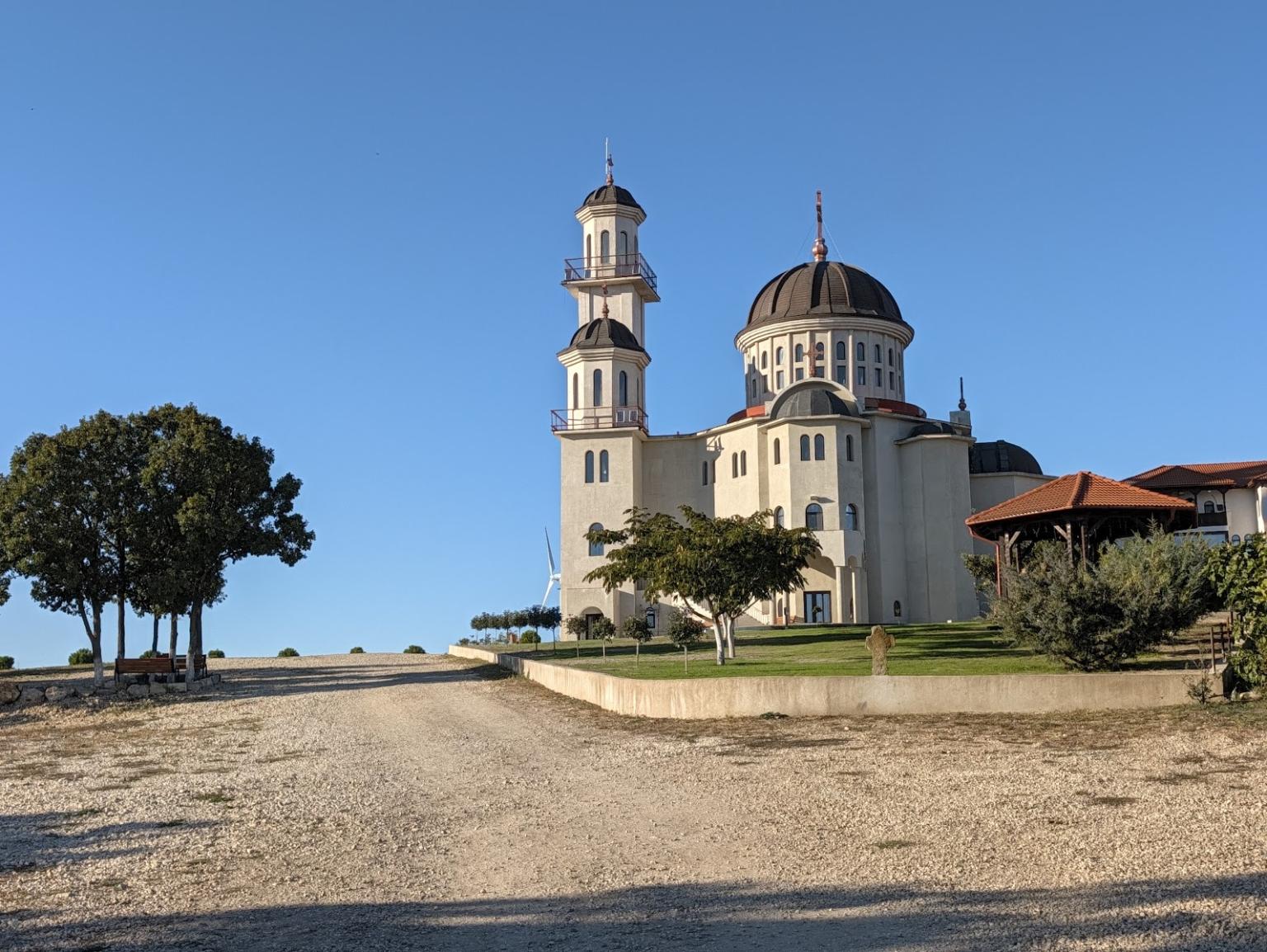
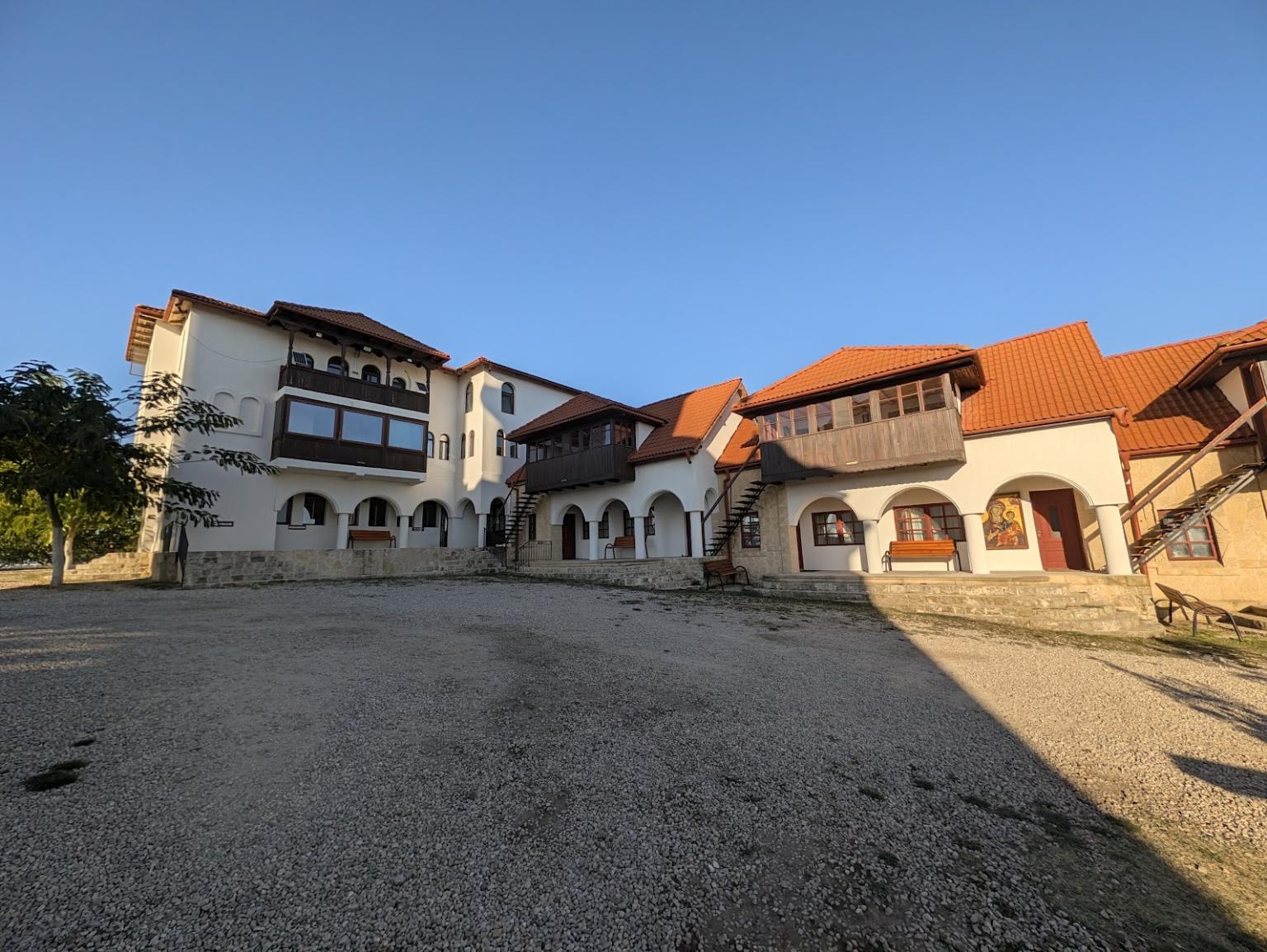
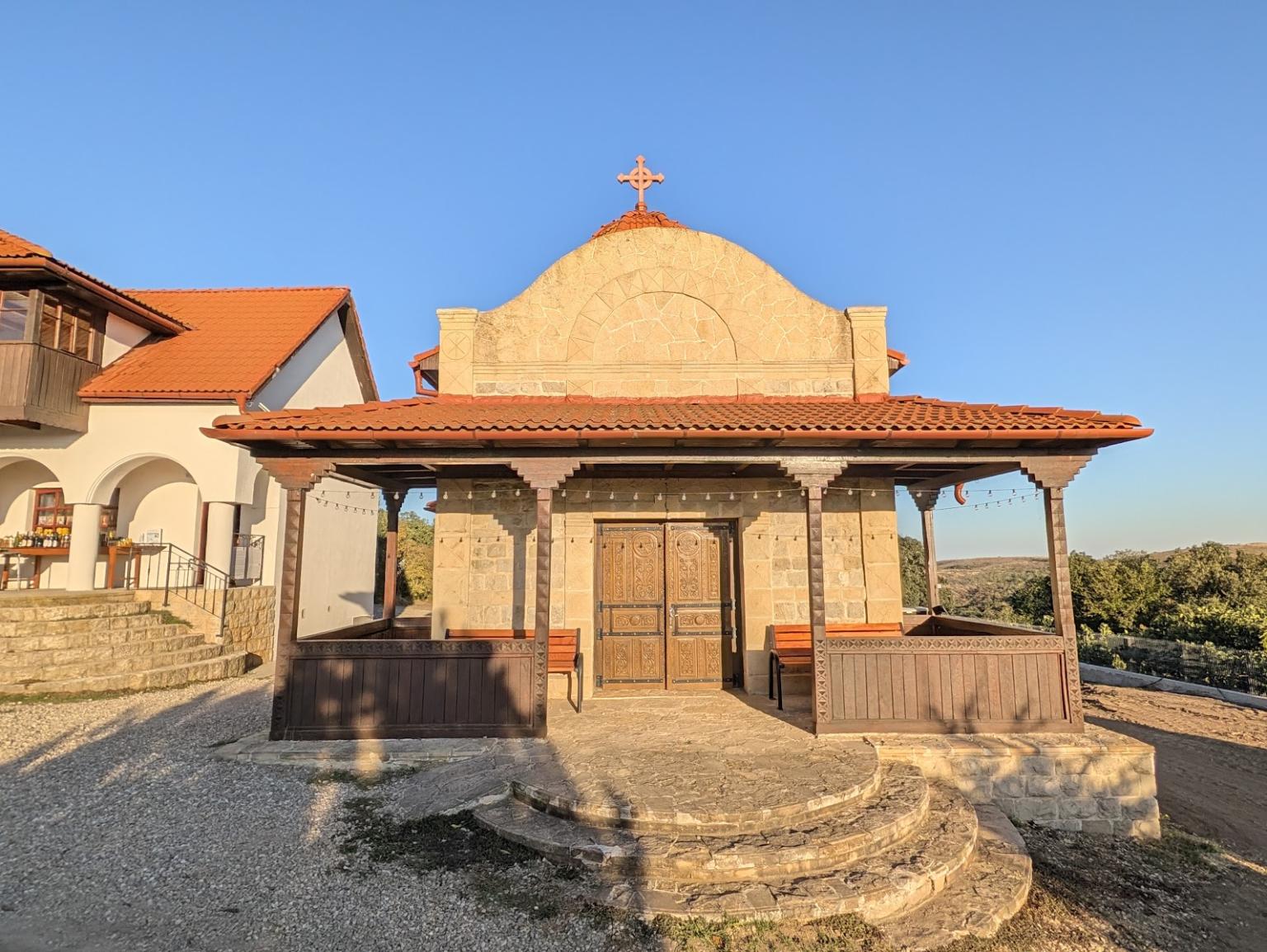
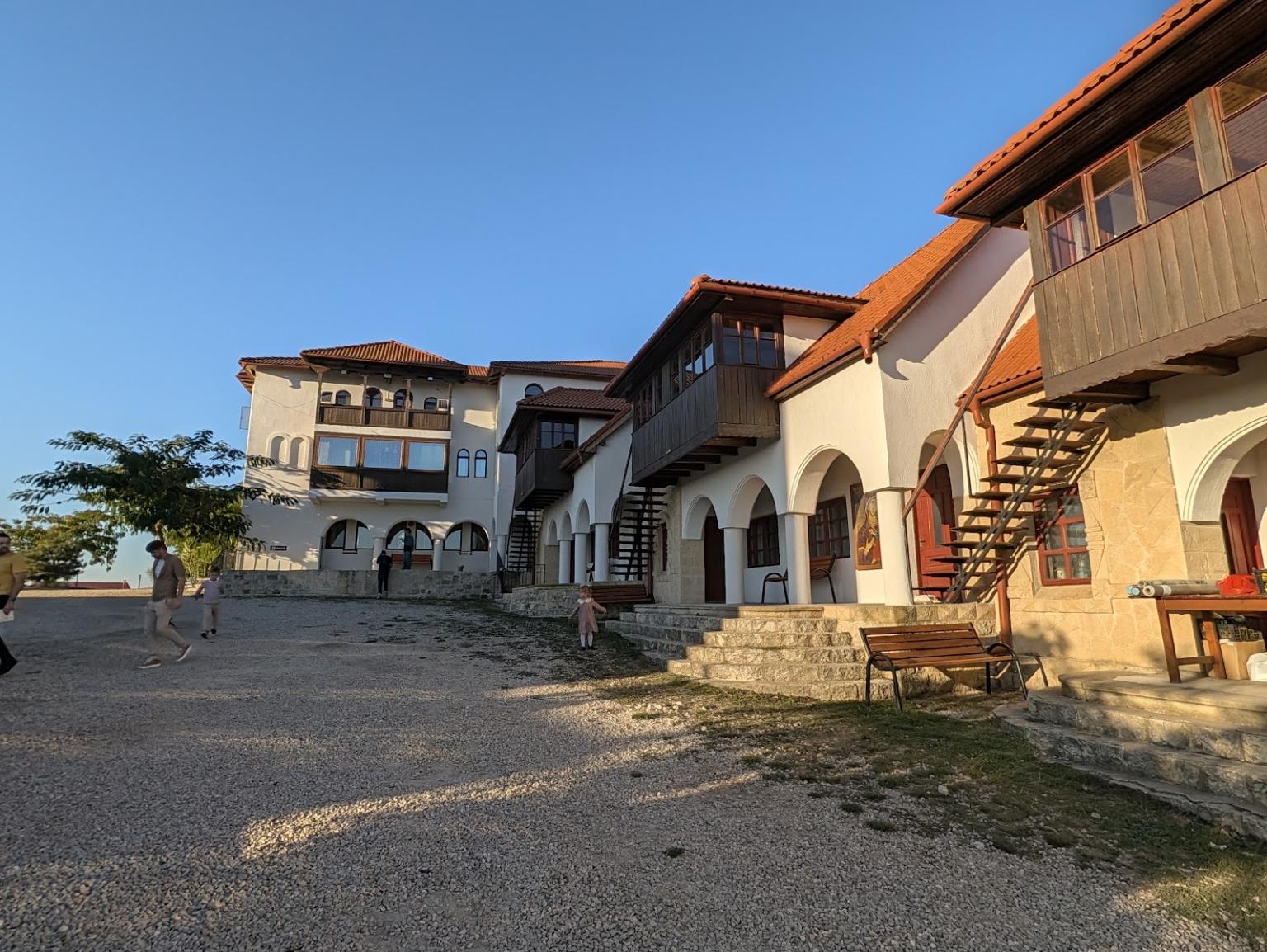
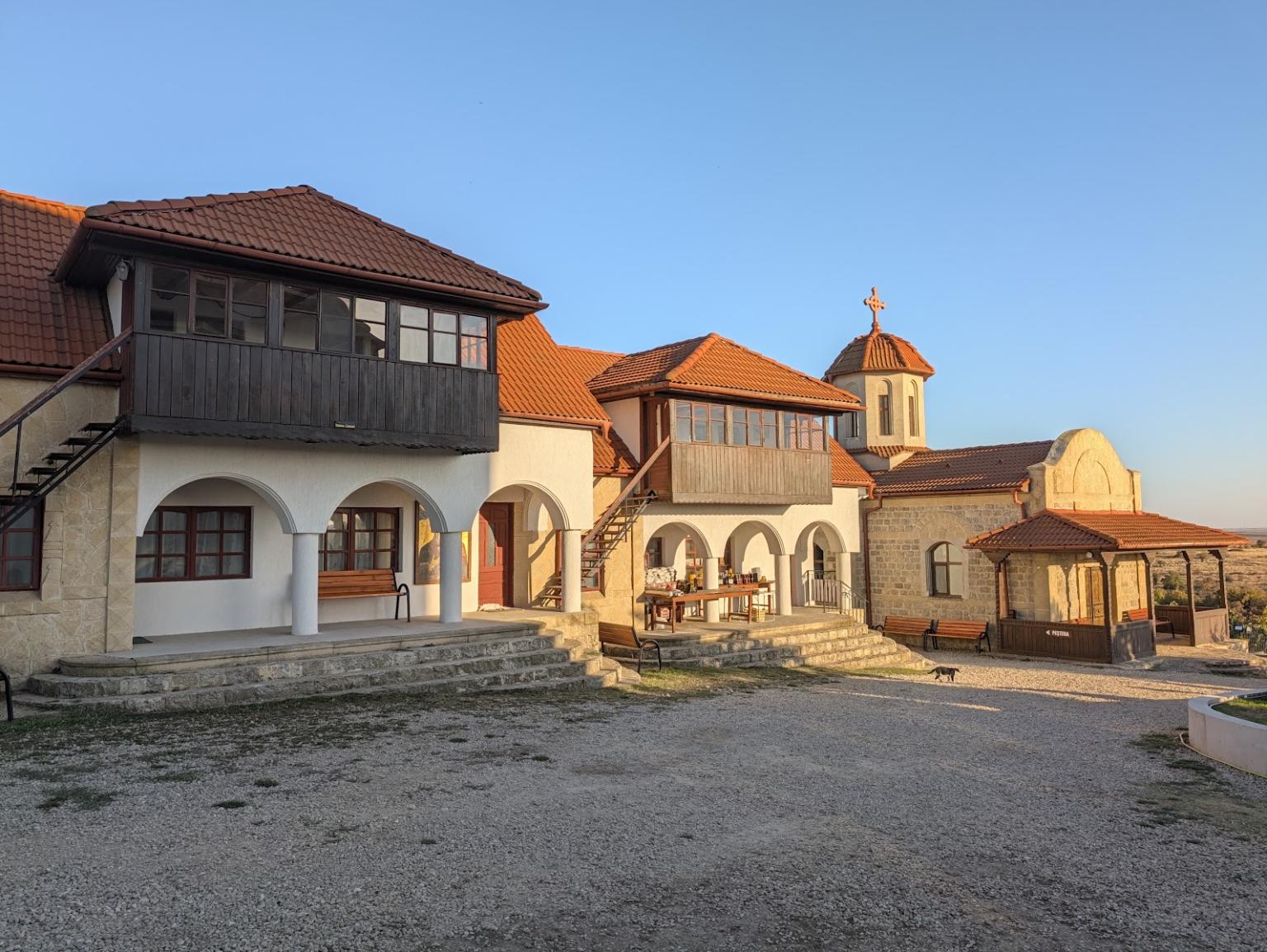
The Saint John Cassian Monastery was founded in 2002, after the blessing of the Archbishop of Tomis, Teodosie. The construction of the monastery was difficult, but the monastic community managed to build churches, cells and other necessary buildings.
The monastery can accommodate 70 pilgrims and has a refectory for 100 people. A large church is being built, and its building will house a museum of history and spirituality. In 2002, the relics of Saint John Cassian were brought to Romania, marking the beginning of the new monastic settlement.
Sursa: arhiepiscopiatomisului.ro